Zone 8b Planting Guide: An Overview
Zone 8b offers a lengthy growing season‚ enabling diverse planting options; understanding specific timelines and plant needs is crucial for successful gardening endeavors.
Understanding Zone 8b
Zone 8b represents a transitional climate‚ bridging the gap between milder coastal regions and cooler inland areas‚ impacting planting strategies significantly. Characterized by moderate winters and warm summers‚ this zone presents a unique opportunity for extended growing seasons‚ allowing gardeners to cultivate a wide array of plants. However‚ success hinges on comprehending the nuances of this climate‚ particularly the potential for late spring frosts and occasional heat waves.
Effective planning necessitates a detailed understanding of microclimates within your specific garden space – areas sheltered from wind or receiving more sunlight will behave differently. Recognizing these variations allows for tailored planting schedules and plant selections. Furthermore‚ awareness of the first and last frost dates is paramount‚ guiding decisions on when to start seeds indoors and transplant seedlings outdoors. Careful consideration of these factors will maximize yields and ensure a thriving garden throughout the year.
What Defines Zone 8b?
Zone 8b is geographically defined by its average annual minimum winter temperature‚ falling between 15°F to 20°F (-9.4°C to -6.7°C). This range dictates the types of plants that can survive the winter outdoors without significant protection. The zone typically encompasses areas along the Pacific Coast‚ the Southern Plains‚ and parts of the Southeastern United States.
However‚ defining Zone 8b isn’t solely about temperature; elevation‚ proximity to large bodies of water‚ and local microclimates all play crucial roles. Coastal areas often experience milder temperatures than inland regions‚ while higher elevations tend to be cooler. Gardeners must consider these localized variations when selecting plants and determining planting times. Understanding these defining characteristics is essential for successful gardening within this diverse and dynamic climate zone.
Average Minimum Winter Temperatures
Zone 8b experiences average minimum winter temperatures ranging from 15°F to 20°F (-9.4°C to -6.7°C). These temperatures are critical for determining plant hardiness and selecting species that can withstand the coldest periods. While these are average lows‚ fluctuations can occur‚ with occasional dips below 15°F.
Gardeners in Zone 8b should be prepared for potential frost events and have protective measures in place‚ such as frost cloths or mulching‚ for sensitive plants. Microclimates within the zone can also influence temperatures; sheltered locations tend to be warmer than exposed areas. Monitoring local weather forecasts is crucial for anticipating and mitigating potential cold damage. Understanding these temperature dynamics is fundamental for successful year-round gardening.
Best Time to Plant in Zone 8b
Zone 8b’s mild climate allows for both spring and fall planting; timing is key to maximizing growth and yields‚ avoiding late frosts and summer heat.
Spring Planting Schedule
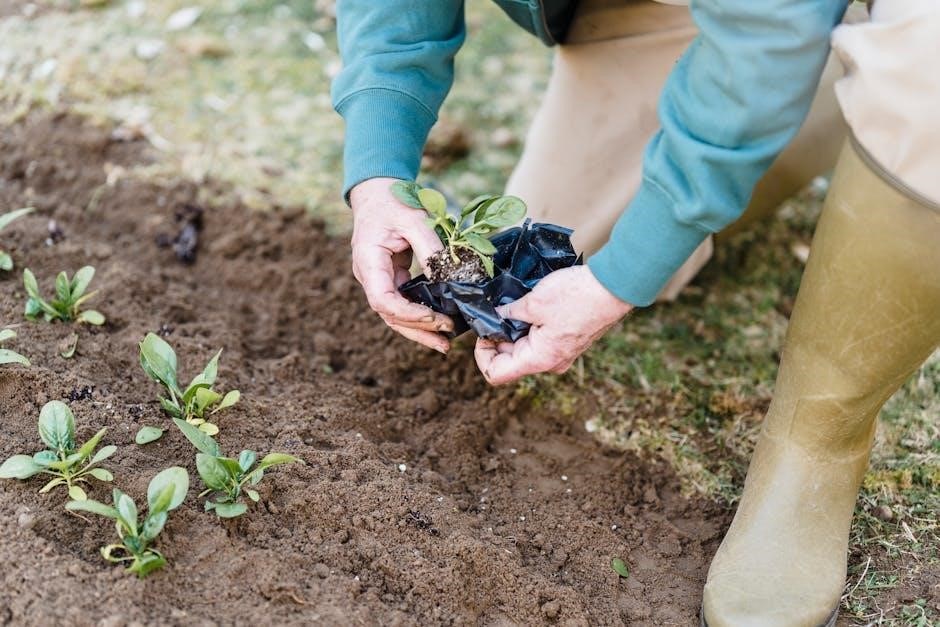
Spring in Zone 8b is a vibrant time for gardeners‚ offering a long window for sowing seeds and transplanting seedlings. Typically‚ starting in late February and continuing through April is ideal. Cool-season vegetables like lettuce‚ spinach‚ broccoli‚ and cauliflower can be directly sown into the garden as soon as the soil can be worked.
Peas and radishes also thrive with early spring planting. As the soil warms in March and April‚ transition to warm-season crops. Tomatoes‚ peppers‚ and eggplants should be started indoors 6-8 weeks before the last expected frost and transplanted outdoors once the danger has passed. Cucumbers and squash can be directly sown once the soil reaches 60°F (15°C). Don’t forget about herbs – many‚ like parsley and cilantro‚ prefer the cooler spring temperatures. Monitoring local frost dates is crucial for protecting tender plants.
Fall Planting Schedule
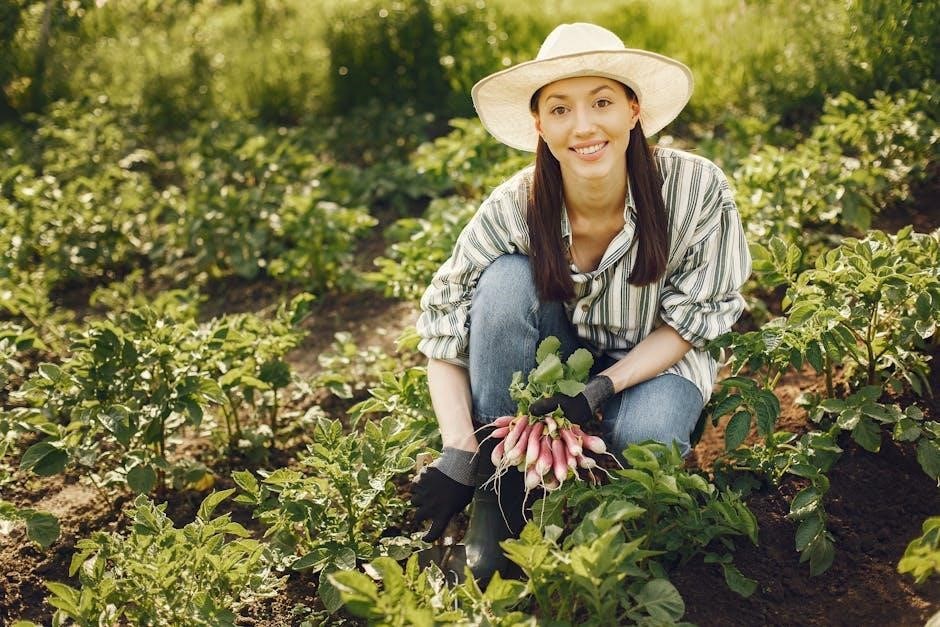
Fall planting in Zone 8b extends the harvest season and allows for overwintering certain crops. From September through November‚ focus on cool-season vegetables. Plant another round of lettuce‚ spinach‚ and kale for a late fall and early winter harvest. Garlic and onions are best planted in the fall for a summer harvest the following year.
Radishes and carrots can also be sown for a fall crop. Cover crops like rye or clover can be planted to improve soil health over the winter. For perennials‚ fall is an excellent time to plant trees‚ shrubs‚ and bulbs. This allows them to establish roots before the ground freezes. Remember to mulch heavily to protect plants from potential frosts and provide insulation throughout the colder months‚ ensuring a thriving garden next spring.
Avoiding Frost Dates
Zone 8b experiences a variable frost season‚ typically ranging from late October to early April. Monitoring local weather forecasts is crucial for protecting sensitive plants. Knowing your area’s average first and last frost dates allows for strategic planting. Utilize row covers‚ cold frames‚ or cloches to extend the growing season and shield plants from unexpected temperature drops.
Hardening off seedlings before transplanting is essential to acclimate them to outdoor conditions. Consider microclimates within your garden – south-facing walls offer warmth‚ while low-lying areas are prone to frost. Mulching provides insulation for roots. Be prepared to bring potted plants indoors during severe freezes. Proactive planning and protective measures minimize frost damage and maximize your harvest.
Vegetable Planting Guide for Zone 8b
Zone 8b’s mild climate supports a wide array of vegetables; strategic planting‚ considering cool and warm-season varieties‚ ensures a bountiful and extended harvest.
Cool-Season Vegetables
Zone 8b gardeners enjoy a prolonged period for cultivating cool-season vegetables‚ typically planted in early spring or late summer for a fall harvest. These crops thrive in temperatures between 60°F and 70°F‚ and can often tolerate light frosts. Successful cool-season vegetable gardening in this zone requires careful timing to avoid the intense summer heat.
Consider starting seeds indoors 6-8 weeks before the last expected frost to get a head start. Direct sowing is also viable as the soil warms. Consistent moisture is key‚ especially during germination and early growth stages. Protecting young plants from potential late frosts with row covers can be beneficial.
Choosing disease-resistant varieties is always a smart move‚ ensuring a healthier and more productive garden. Proper spacing and good air circulation will also help prevent fungal diseases. With a little planning‚ you can enjoy a continuous supply of fresh‚ cool-season vegetables throughout the growing season.
Lettuce & Spinach
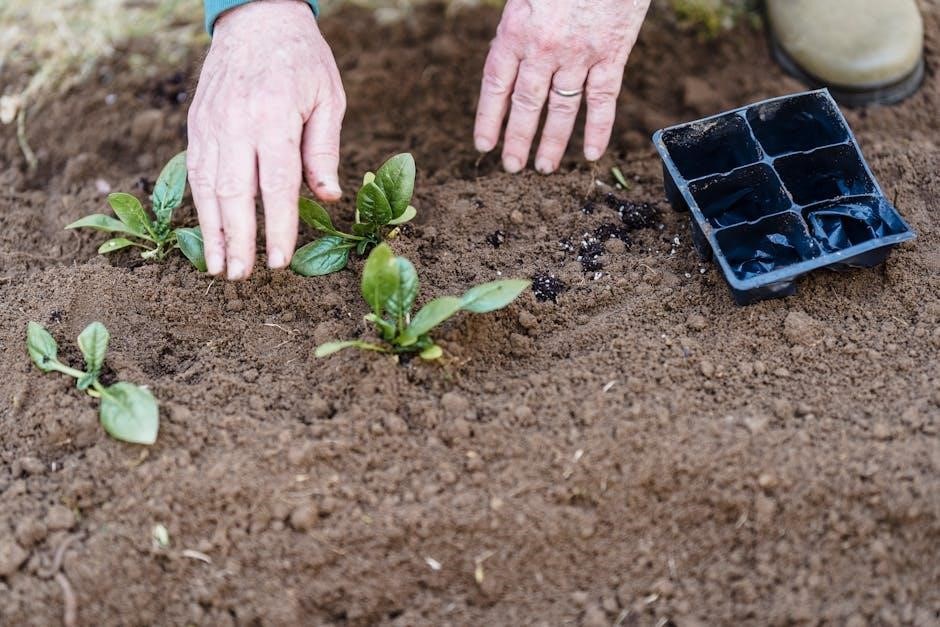
Lettuce and spinach are excellent choices for Zone 8b gardens‚ offering quick harvests and adaptability. Sow seeds directly into the garden in early spring‚ as soon as the soil can be worked‚ or start indoors 4-6 weeks prior. Successive sowings every 2-3 weeks ensure a continuous supply throughout the cooler months.
These leafy greens prefer partial shade‚ especially during warmer periods‚ to prevent bolting (premature flowering). Consistent moisture is crucial for tender leaves; mulch helps retain soil moisture and regulate temperature. Choose bolt-resistant varieties for extended harvests during the spring.
For a fall crop‚ plant seeds in late summer or early fall. Protect young seedlings from pests like slugs and snails. Harvesting can begin as soon as leaves are large enough to eat‚ encouraging continued growth. Enjoy fresh salads from your garden!
Broccoli & Cauliflower
Broccoli and cauliflower thrive in the cooler temperatures of Zone 8b‚ making them ideal for spring and fall planting. Start seeds indoors 6-8 weeks before the last expected frost for a spring harvest‚ or in mid-summer for a fall crop. Transplant seedlings when they have 4-6 true leaves.
These brassicas require rich‚ well-drained soil and consistent moisture. Amend the soil with compost before planting. Provide adequate spacing between plants – approximately 18-24 inches – to allow for proper head development. Monitor for cabbage worms and aphids‚ using organic pest control methods if necessary.
Harvest broccoli when the heads are firm and tightly closed. Cauliflower requires more attention; blanching (covering the developing head) protects it from sunlight and ensures a white color. Enjoy these nutritious vegetables fresh or frozen!
Warm-Season Vegetables
Zone 8b’s extended warm season is perfect for a wide array of heat-loving vegetables. After the last frost‚ typically in late March or early April‚ begin planting. Consistent warmth and ample sunlight are key to success with these crops;
Tomatoes and peppers benefit from starting indoors 6-8 weeks before transplanting. Ensure well-drained‚ fertile soil enriched with compost. Cucumbers and squash can be directly sown once the soil temperature reaches 70°F; Provide plenty of space for vining varieties‚ and consider trellising to save garden space.
Regular watering is crucial‚ especially during fruit development. Mulching helps retain moisture and suppress weeds. Monitor for common pests like aphids and squash bugs‚ and implement appropriate control measures. Enjoy a bountiful harvest throughout the summer and into fall!
Tomatoes & Peppers
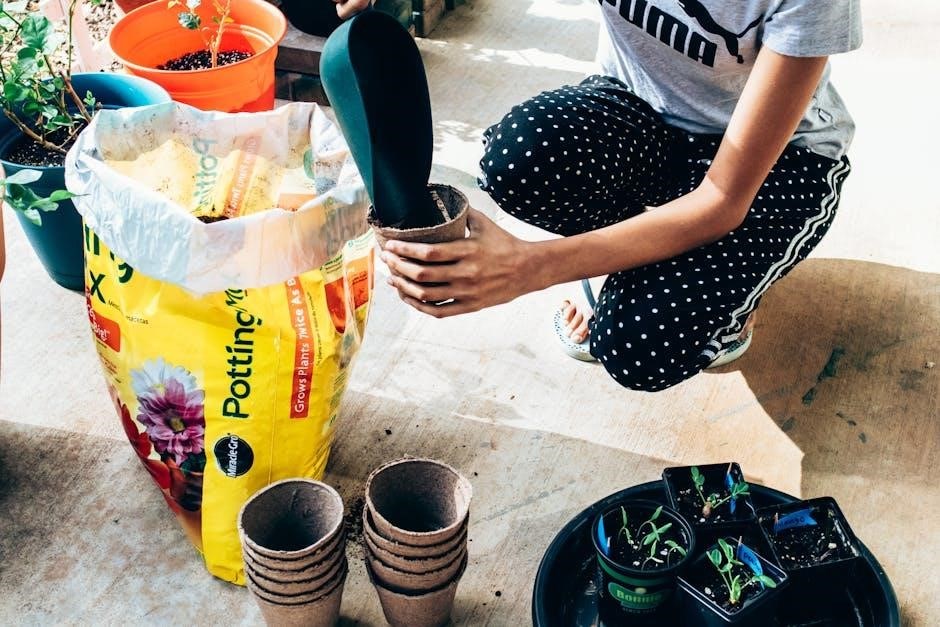
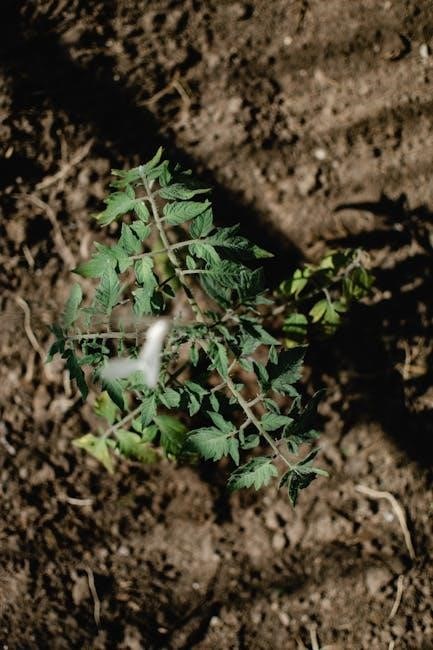
Tomatoes and peppers thrive in Zone 8b’s warm climate‚ but require a head start. Begin seeds indoors 6-8 weeks before the last expected frost‚ typically around late February or early March. Harden off seedlings gradually before transplanting outdoors in late March or April‚ once soil temperatures consistently reach 60°F.
Choose disease-resistant varieties suited to the region. Plant in well-drained‚ fertile soil amended with compost. Provide support for tomato plants – staking‚ caging‚ or trellising – to prevent fruit from touching the ground. Peppers benefit from similar conditions‚ needing full sun and consistent moisture.
Regular fertilization and monitoring for pests like aphids and tomato hornworms are essential for a bountiful harvest. Expect a long fruiting season extending into fall!
Cucumbers & Squash
Cucumbers and squash are warm-season favorites‚ best direct-sown in Zone 8b after the last frost‚ generally in late April or May. Soil temperatures should be at least 70°F for optimal germination. Consider starting squash seeds indoors 3-4 weeks prior for an earlier harvest‚ but cucumbers generally prefer direct sowing.
Both require ample space and rich‚ well-drained soil. Squash varieties range from compact bush types to sprawling vines; plan accordingly. Cucumbers benefit from trellising to save space and improve air circulation. Consistent watering is crucial‚ especially during flowering and fruiting.
Watch for common pests like squash bugs and cucumber beetles. Regular harvesting encourages continued production. Enjoy a summer abundance of these versatile vegetables!
Root Vegetables
Root vegetables thrive in Zone 8b’s moderate climate‚ offering both fall and spring planting opportunities. Carrots and radishes can be sown directly into the garden as early as February for a spring harvest‚ or again in late summer for fall enjoyment. Ensure loose‚ well-drained soil free of rocks for optimal root development.
Potatoes and beets prefer a slightly later spring planting‚ around March or April‚ after the soil has warmed. Potatoes benefit from “hilling” – gradually mounding soil around the stems as they grow – to increase yield. Consistent moisture is vital for all root vegetables‚ preventing cracking and ensuring good flavor.
Succession planting every few weeks extends the harvest window. Protect from pests like root maggots with row covers.
Carrots & Radishes
Carrots and radishes are excellent choices for Zone 8b gardeners‚ offering quick yields and adaptability. Sow carrot seeds directly into well-drained‚ loose soil in February for a spring harvest‚ or July-August for a fall crop. Thin seedlings to 2-3 inches apart. Radishes‚ even faster maturing‚ can be planted every two weeks for a continuous supply‚ starting as early as late January.
Ensure consistent moisture for both‚ preventing cracking in radishes and ensuring proper carrot development. Radishes prefer cooler temperatures‚ so partial shade during warmer spells is beneficial. Carrots benefit from soil that is rock-free to avoid forking.
Consider varieties suited to warmer climates for best results. Regular harvesting encourages continued production.
Potatoes & Beets
Potatoes thrive in Zone 8b with a February-March planting for a late spring/early summer harvest‚ or a July-August planting for a fall crop. Plant seed potatoes (cut with ‘eyes’) 4-6 inches deep and 12 inches apart in well-drained‚ slightly acidic soil. Hilling the plants as they grow encourages larger yields. Beets can be directly sown from February through April for a spring harvest‚ and again in late summer for fall enjoyment.
Beets prefer full sun but tolerate partial shade. Consistent moisture is vital for both crops‚ preventing potato scab and ensuring tender beets. Choose heat-tolerant potato varieties for best results.
Successive sowings of beets every few weeks extend the harvest period.
Fruit Tree & Berry Planting in Zone 8b
Zone 8b’s mild winters support diverse fruit trees and berries; proper selection‚ considering chill hours‚ is vital for abundant harvests and long-term success.
Deciduous Fruit Trees
Deciduous fruit trees‚ like peach and plum trees‚ thrive in Zone 8b due to the region’s moderate climate and sufficient chill hours. When planting‚ select varieties specifically suited for the local conditions to ensure optimal fruit production. Early spring‚ before new growth begins‚ or late fall‚ after dormancy sets in‚ are ideal planting times.
Proper soil preparation is essential; amend heavy clay soils with organic matter to improve drainage. Ensure the planting site receives at least six to eight hours of direct sunlight daily. Space trees appropriately‚ considering their mature size‚ to allow for adequate air circulation and sunlight penetration.
Regular pruning is crucial for maintaining tree health‚ shaping the canopy‚ and maximizing fruit yield. Monitor for pests and diseases‚ implementing preventative measures or treatments as needed. Consistent watering‚ especially during dry spells‚ will support healthy growth and abundant harvests. Remember to protect young trees from late frosts with coverings or wraps.
Peach & Plum Trees
Peach and plum trees are excellent choices for Zone 8b gardens‚ offering delicious fruit with proper care. Select self-pollinating varieties or plant multiple trees for cross-pollination‚ boosting yields. Bare-root trees are best planted in late winter or early spring‚ while container-grown trees can be planted throughout the growing season.
Dig a hole twice as wide as the root ball and amend the soil with compost. Ensure good drainage‚ as both peaches and plums dislike wet feet. Prune annually in late winter to remove dead or damaged wood and shape the tree. Peach trees require more frequent pruning than plums.
Protect developing fruit from pests like plum curculio and diseases like peach leaf curl with appropriate sprays. Consistent watering during fruit development is vital for size and quality. Harvest peaches when slightly soft to the touch‚ and plums when they easily detach from the branch.
Evergreen Fruit Trees
Citrus trees (limited varieties) can thrive in the warmer microclimates within Zone 8b‚ but careful selection is key. Consider cold-hardy varieties like satsumas‚ kumquats‚ and Meyer lemons‚ offering better frost tolerance. Plant in spring after the last frost‚ choosing a sheltered location with full sun and well-draining soil.
Amend the planting hole with compost and ensure adequate drainage to prevent root rot. Citrus trees are sensitive to cold‚ so protect young trees with wraps or covers during harsh winters. Regular fertilization is crucial for healthy growth and abundant fruit production.
Monitor for pests like aphids and scale‚ addressing infestations promptly. Consistent watering‚ especially during dry spells‚ is essential. Harvest citrus fruits when fully colored and slightly soft to the touch‚ enjoying fresh‚ homegrown goodness.
Citrus Trees (Limited Varieties)
Zone 8b’s mild winters allow for some citrus cultivation‚ but success hinges on selecting cold-hardy varieties. Satsumas are exceptionally well-suited‚ boasting excellent cold tolerance and delicious fruit. Kumquats‚ with their edible peel‚ also perform reliably. Meyer lemons‚ a hybrid‚ offer a sweeter flavor and increased hardiness compared to other lemon types.
Plant in spring‚ providing a sheltered location with full sun and well-drained soil. Amend with compost for enhanced fertility. Protect young trees from frost with wraps or covers during colder snaps. Consistent watering and regular fertilization are vital for optimal growth.
Monitor for common citrus pests and address promptly; Harvesting occurs when fruits are fully colored and slightly soft‚ delivering a rewarding‚ homegrown experience.
Berry Bushes
Zone 8b provides a fantastic climate for a wide array of berry bushes‚ offering abundant harvests with proper care. Blueberries thrive in acidic soil; amending with peat moss is essential. Choose varieties suited to your chill hour requirements. Raspberries‚ both summer-bearing and everbearing‚ flourish with full sun and consistent moisture.
Plant bare-root bushes in late winter or early spring. Ensure adequate spacing for air circulation. Regular pruning is crucial for maximizing fruit production and maintaining bush health. Protect from birds with netting during ripening.
Consistent watering‚ especially during dry spells‚ is vital. Enjoy fresh berries straight from the bush or preserve them for later enjoyment!
Blueberries & Raspberries
Blueberries demand acidic soil (pH 4.5-5.5) – incorporate peat moss or sulfur when planting. Select varieties with differing ripening times for an extended harvest. Raspberries prefer well-drained soil and full sun; support canes with a trellis system.
Plant blueberries in late winter‚ raspberries in early spring. Space blueberry bushes 4-5 feet apart‚ raspberries 2-3 feet. Prune blueberries annually after harvest‚ removing older canes. Summer-bearing raspberries fruit on year-old canes; prune these after fruiting. Everbearing varieties produce on current-season canes; prune lightly in winter.
Protect berries from birds with netting. Consistent moisture is key‚ especially during fruit development. Enjoy the delicious rewards of homegrown berries!
Flower Planting Guide for Zone 8b
Zone 8b’s mild climate supports a wide array of flowering plants; strategic planting ensures continuous blooms throughout the growing season‚ enhancing garden beauty.
Spring-Blooming Flowers
Zone 8b welcomes a vibrant display of spring-blooming flowers‚ offering gardeners a delightful palette of colors and fragrances. Tulips and Daffodils are excellent choices‚ providing early-season cheer. Plant tulip bulbs in the fall (October-November) for a spectacular show in March-April. Choose varieties suited for warmer climates‚ as some require a colder chilling period.
Daffodils‚ being more adaptable‚ also thrive with fall planting. Consider different bloom times – early‚ mid‚ and late-season – to extend the flowering period. Beyond these classics‚ Hyacinths and Crocuses add further color and fragrance. Remember to amend the soil with compost for optimal growth and drainage. Proper sunlight exposure is also vital; most spring bloomers prefer full sun to partial shade. Deadheading spent flowers encourages bulb development for the following year’s display.
Tulips & Daffodils
Tulips and Daffodils are spring-blooming staples for Zone 8b gardens‚ offering a burst of color after the winter months. For best results‚ plant bulbs in the fall‚ ideally October through November‚ ensuring they receive adequate chilling hours. Select tulip varieties specifically bred for warmer climates‚ as chilling requirements vary. Daffodils are generally more reliable in 8b‚ tolerating warmer winters with ease.
Plant bulbs 6-8 inches deep in well-drained soil amended with compost. Full sun is preferred‚ though partial shade is acceptable. Consider staggering planting times for a prolonged bloom period. After flowering‚ allow foliage to die back naturally to replenish the bulb’s energy reserves. Protecting from pests like deer and voles with netting or repellents can also ensure a beautiful display each spring.
Summer-Blooming Flowers
Zone 8b’s warm summers are perfect for vibrant‚ long-lasting blooms. Roses thrive with consistent watering and fertilization‚ benefiting from afternoon shade to prevent scorching. Choose disease-resistant varieties suited to humid conditions. Zinnias are easy-to-grow annuals‚ offering a rainbow of colors and attracting pollinators; direct sow seeds after the last frost or start indoors for earlier blooms.
Other excellent choices include sunflowers‚ cosmos‚ and marigolds. Regular deadheading encourages continuous flowering. Ensure adequate air circulation to minimize fungal diseases. Consider succession planting – sowing seeds every few weeks – to extend the bloom season throughout the summer. Mulching helps retain moisture and suppress weeds‚ creating a healthy environment for these summer showstoppers.
Roses & Zinnias
Roses in Zone 8b flourish with proper care‚ demanding at least six hours of sunlight daily and well-drained soil. Select disease-resistant cultivars to combat humidity-related issues. Regular pruning encourages blooms and maintains shape. Fertilize consistently during the growing season. Zinnias are remarkably easy annuals‚ thriving in full sun and tolerating various soil types.
Direct sowing after the last frost is simple‚ or start seeds indoors for an earlier display. Deadheading spent flowers promotes continuous blooming. Zinnias attract butterflies and other pollinators‚ adding life to your garden. Both roses and zinnias benefit from mulch to retain moisture and suppress weeds. Consider companion planting to deter pests naturally‚ enhancing overall garden health.
Perennials for Zone 8b
Zone 8b’s mild winters and warm summers support a wide array of perennials. Successful establishment relies on well-drained soil and appropriate sunlight exposure for each species. Consider bloom times to ensure continuous color throughout the growing season. Dividing established clumps every few years rejuvenates plants and prevents overcrowding;
Coneflowers (Echinacea) are drought-tolerant and attract pollinators‚ offering vibrant summer blooms. Black-Eyed Susans (Rudbeckia) provide cheerful yellow flowers and are equally resilient. Other excellent choices include daylilies‚ hostas (in shaded areas)‚ and salvia. Mulching helps retain moisture and suppress weeds‚ while regular deadheading encourages prolonged flowering. Proper planning ensures a beautiful‚ low-maintenance perennial garden.
Coneflowers & Black-Eyed Susans
Coneflowers (Echinacea) thrive in full sun and well-drained soil‚ blooming from summer through fall. They attract butterflies and bees‚ adding ecological value to your garden. Deadheading spent flowers encourages continued blooming‚ while leaving seed heads provides winter interest and food for birds. Varieties range in color from purple and pink to white and orange.
Black-Eyed Susans (Rudbeckia hirta) are equally adaptable‚ preferring full sun but tolerating partial shade. These cheerful yellow flowers bloom profusely throughout the summer. They readily self-seed‚ creating naturalized patches. Both coneflowers and black-eyed susans are drought-tolerant once established‚ making them ideal choices for low-maintenance gardens in Zone 8b.