Guide wheels are essential components in numerous systems, offering smooth operation and protecting flooring․ They enhance maneuverability in workshops and ensure safe, precise linear motion․
What are Guide Wheels?
Guide wheels are specialized rollers designed to constrain movement along a specific path․ Unlike traditional casters focused on free-rolling in multiple directions, guide wheels prioritize directional control․ They come in various configurations – grooved, flanged, or linear – each tailored to unique applications․
These wheels effectively guide belts, cables, or entire objects, preventing deviation and ensuring smooth, predictable motion․ Their construction materials range from robust steel for high-load applications to cost-effective polymers for lighter duties․ The core function remains consistent: to provide a reliable guiding force, enhancing the efficiency and safety of the overall system․ They are integral to systems requiring precision and controlled movement․
The Importance of Guide Wheels in Modern Systems
Guide wheels are critical for maintaining operational efficiency and safety across diverse modern systems․ In elevators, they ensure hoisting ropes track correctly, preventing accidents and guaranteeing smooth vertical transport․ Within linear motion systems, they deliver the accuracy and smoothness essential for automated manufacturing and robotics․
Even in simpler applications like workshop tool carts, guide wheels enhance maneuverability and protect flooring․ Their ability to handle varying loads and environmental conditions makes them indispensable․ Properly selected guide wheels minimize friction, reduce wear, and contribute to the longevity of the entire system, ultimately lowering maintenance costs and improving overall performance․

Types of Guide Wheels
Guide wheels come in various designs – grooved, flanged, and linear – each tailored for specific applications requiring controlled movement and stability․
Grooved Guide Wheels
Grooved guide wheels are specifically designed to accommodate belts or cables, providing a secure pathway for their movement․ The defining characteristic of these wheels is the precisely engineered groove that centers and guides the running material․
A key advantage lies in their customization; the groove’s depth and width can be tailored to perfectly match the dimensions of the belt or cable being utilized․ This adaptability makes them ideal for diverse applications, such as ensuring smooth and safe operation within elevator systems by accurately guiding hoisting ropes․
This precise guidance minimizes friction and wear, contributing to the longevity and efficiency of the overall system․ They are a versatile solution where controlled linear movement is paramount․
Applications of Grooved Guide Wheels
Grooved guide wheels find extensive use in systems requiring precise linear guidance․ A prime example is within elevator systems, where they reliably guide the hoisting ropes, directly contributing to both smooth operation and enhanced safety for passengers․
Beyond elevators, these wheels are crucial in applications involving belts or cables needing consistent tracking․ They are frequently integrated into conveyor systems, ensuring materials move along the intended path with minimal deviation․
Their ability to maintain alignment makes them valuable in automated machinery and robotics, where accuracy is paramount․ The customizable groove allows adaptation to various belt and cable sizes, broadening their utility․
Customization of Groove Depth and Width
Groove depth and width are critical parameters in grooved guide wheel design, directly impacting performance․ These dimensions aren’t fixed; they’re tailored to the specific belt or cable being guided, ensuring a secure and precise fit․ A deeper groove accommodates thicker cables, while a wider groove suits broader belts․
This customization is vital for optimal functionality․ Incorrect dimensions can lead to slippage, misalignment, or even damage to the guided component․ Manufacturers offer a range of standard sizes, but custom machining is often available for unique applications․
Precise adjustment guarantees efficient operation and extends the lifespan of both the wheel and the guided element․
Flanged Guide Wheels
Flanged guide wheels incorporate a distinct feature: a flange, or rim, extending from one or both sides of the wheel․ This flange acts as a physical barrier, preventing any lateral movement of the belt, cable, or object it’s guiding․ This is particularly crucial in applications demanding strict directional control and preventing derailment․
The flange effectively contains the guided component, ensuring it remains centered and follows the intended path․ This design is ideal for scenarios where even slight deviations could compromise system integrity or accuracy․
Their robust construction offers reliable performance in demanding environments․
Preventing Lateral Movement
Flanged guide wheels excel at preventing lateral movement through their integrated flange design․ This flange functions as a physical stop, effectively containing the guided element – be it a belt, cable, or other component – within defined boundaries․ This containment is vital for maintaining precise alignment and preventing unwanted deviations from the intended path․
By restricting sideways motion, these wheels enhance system stability and reliability․ They are particularly valuable in applications where even minor lateral shifts could lead to operational errors or safety concerns․ The flange ensures consistent and predictable performance․
Use Cases for Flanged Guide Wheels
Flanged guide wheels find extensive application in linear motion systems where maintaining a strict path is crucial․ Their ability to prevent lateral movement makes them ideal for guiding components along rails or tracks with high accuracy․ Beyond linear systems, they are employed in applications requiring precise belt or cable tracking, ensuring consistent performance․
These wheels are also beneficial in scenarios where external forces might attempt to displace the guided element․ The flange provides a robust barrier against such disturbances, safeguarding operational integrity․ Their versatility extends to various industries, offering reliable guidance in diverse mechanical setups․
Linear Guide Wheels
Linear guide wheels are specifically engineered for applications demanding accurate and smooth movement along a straight path․ SDP/SI offers several options, including industrial V Guide Systems, Mini-Rail Linear Guide Systems, and Low Profile Linear Guide Systems, catering to diverse needs․ These systems are designed to move goods precisely in a wide range of applications․
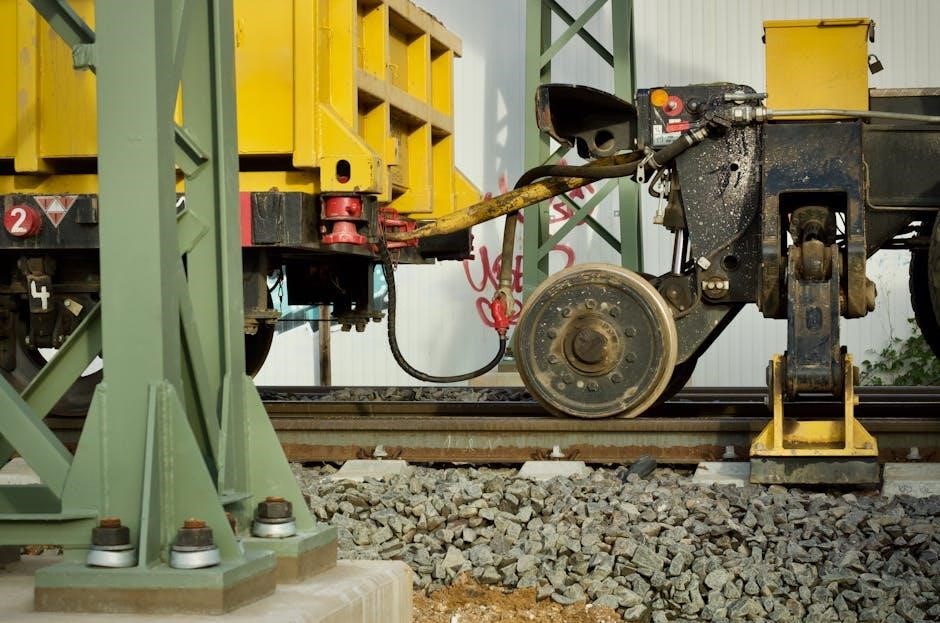
The core function of these wheels is to facilitate controlled linear motion, minimizing friction and ensuring consistent performance․ Components are available in various styles, allowing for customization based on load requirements and application specifics․ They are vital for automation and precision engineering․
Industrial V Guide Systems
Industrial V Guide Systems represent a robust solution for heavy-duty linear motion applications․ These systems utilize a V-shaped groove and corresponding wheel to provide exceptional stability and load-bearing capacity․ They are frequently employed in environments requiring high precision and durability, such as manufacturing and automation equipment․
The V-groove design inherently resists lateral forces, ensuring smooth and accurate travel even under significant loads․ This configuration minimizes wear and tear, extending the lifespan of the system․ SDP/SI offers components for these systems, providing versatile options for various industrial needs, prioritizing reliability and performance․
Mini-Rail Linear Guide Systems
Mini-Rail Linear Guide Systems offer a compact and efficient solution for precision linear motion in applications with limited space․ These systems are designed for lighter loads and shorter travel distances, making them ideal for small automation projects, medical devices, and laboratory equipment․ They provide a balance between performance and cost-effectiveness․
SDP/SI provides a range of components for these systems, ensuring compatibility and ease of integration․ The miniature rails and guide wheels deliver smooth, accurate movement while minimizing footprint․ These systems are a practical choice when a full-sized industrial solution is unnecessary, offering a streamlined approach to linear motion control․
Low Profile Linear Guide Systems
Low Profile Linear Guide Systems are engineered for applications demanding minimal height constraints without compromising performance; These systems excel in scenarios where space is at a premium, such as robotics, semiconductor manufacturing, and automated machinery․ They deliver precise linear motion within a compact form factor, simplifying integration into existing designs․
SDP/SI offers diverse components for these systems, ensuring adaptability to various load capacities and travel lengths․ The low-profile design doesn’t sacrifice rigidity or smoothness, providing reliable operation․ These systems are a valuable solution when a discreet yet robust linear motion solution is required, optimizing space utilization․
Materials Used in Guide Wheel Construction
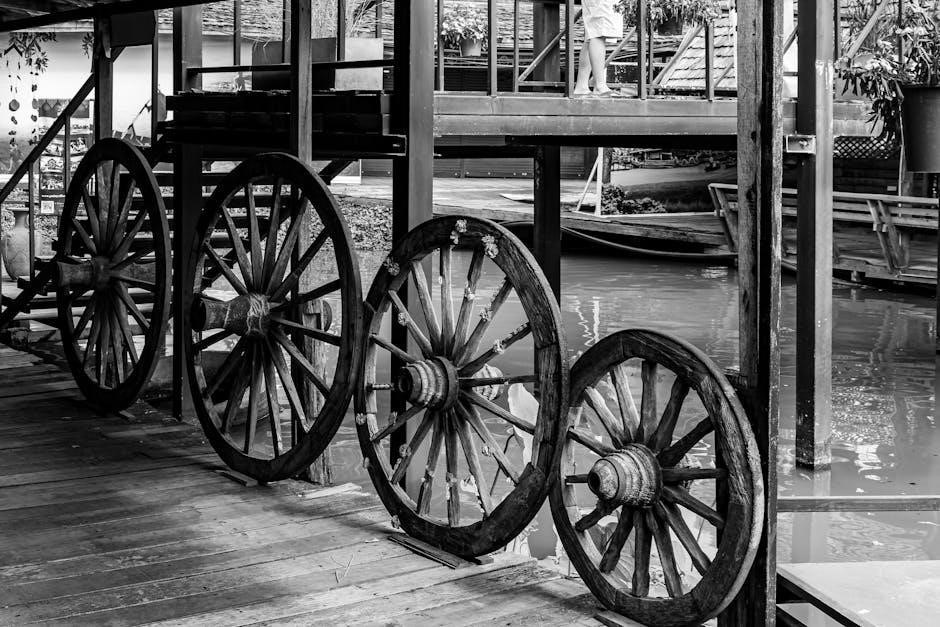
Guide wheels are commonly constructed from steel or polymers, each offering distinct advantages․ Steel provides high load capacity, while polymers offer cost-effectiveness․
Steel Guide Wheels
Steel guide wheels represent a robust solution for applications demanding significant strength and durability․ Their inherent hardness allows them to withstand substantial loads, making them ideal for heavy-duty machinery and industrial environments․
One of the key advantages of steel wheels is their exceptional load capacity, capable of supporting considerable weight without deformation or failure․ This characteristic is crucial in applications like elevator systems and demanding linear motion setups․
Determining the appropriate load capacity of steel wheels requires careful consideration of the application’s specific requirements, including the weight being supported and the dynamic forces involved․ Selecting a wheel with sufficient capacity ensures long-term reliability and prevents premature wear or breakage․
Advantages of Steel Wheels
Steel guide wheels offer unparalleled robustness, making them a preferred choice when durability is paramount․ Their inherent hardness resists wear and tear, ensuring a prolonged lifespan even under demanding conditions․ This resilience translates to reduced maintenance and replacement costs over time․

Furthermore, steel’s high strength allows these wheels to handle substantial loads without deformation, crucial for applications like industrial machinery and elevator systems; They maintain precision and stability, contributing to smoother, more reliable operation․
Steel’s resistance to environmental factors, including temperature fluctuations and chemical exposure, further enhances its advantages, making it suitable for diverse operating environments․
Load Capacity of Steel Wheels
Steel guide wheels excel in applications demanding significant weight support․ Their robust construction and material properties allow them to withstand substantial load without compromising performance or structural integrity․ This capacity is a key differentiator compared to polymer alternatives․
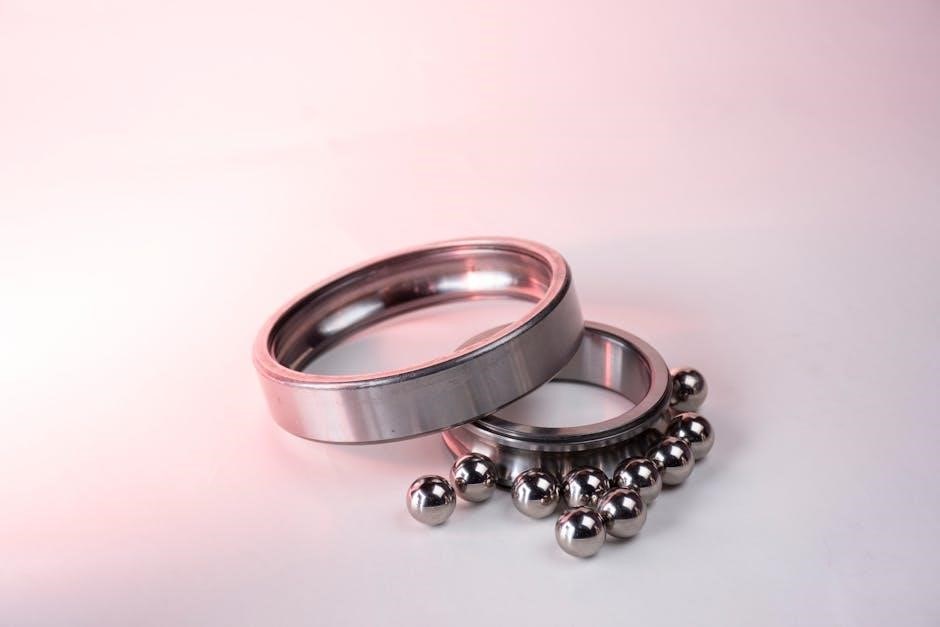
The precise load capacity varies based on wheel diameter, width, and the specific steel alloy used․ Larger diameter wheels generally support heavier loads․ Careful consideration of these factors is crucial during the selection process․
For heavy-duty industrial applications, elevators, and systems requiring consistent, reliable performance under stress, steel wheels provide the necessary strength and stability to ensure safe and efficient operation․
Polymer Guide Wheels
Polymer guide wheels present a cost-effective alternative to steel, particularly in applications where extreme load-bearing capacity isn’t paramount․ These wheels are manufactured from various polymers, offering a balance between performance and affordability․ While they don’t match the strength of steel, they provide sufficient support for many tasks․
A key characteristic of polymer wheels is their reduced load performance compared to steel counterparts․ However, this trade-off is often acceptable given their lower price point and other beneficial properties․
Their cost-effectiveness makes them ideal for home workshops, lighter-duty carts, and applications where frequent replacement isn’t a major concern․
Reduced Load Performance
Polymer guide wheels inherently exhibit a reduced load performance when contrasted with steel alternatives․ This stems from the fundamental material properties; polymers generally possess lower tensile strength and compressive resistance than steel․ Consequently, polymer wheels are less capable of supporting substantial weights or withstanding heavy impacts without deformation․
This limitation doesn’t render them unsuitable for all applications, but rather dictates their appropriate use cases․ They are best suited for lighter loads and environments where the risk of overloading is minimal․ Selecting polymer wheels for tasks exceeding their capacity can lead to premature wear, failure, or compromised system performance․
Cost-Effectiveness of Polymer Wheels
Polymer guide wheels present a significant cost-effectiveness advantage over their steel counterparts, making them an attractive option for budget-conscious applications․ The raw materials and manufacturing processes associated with polymers are generally less expensive than those required for steel production and machining․
This translates directly into lower purchase prices for the wheels themselves, reducing the overall system cost․ While steel wheels may offer superior load capacity and durability, the economic benefits of polymer wheels can be substantial, particularly in high-volume applications or where extreme performance isn’t critical․ They provide a viable balance between performance and affordability․

Applications of Guide Wheels
Guide wheels are vital in diverse areas like home workshops, elevator systems, and linear motion applications, ensuring smooth, accurate, and safe operational performance․
Home Workshops and Garage Tool Carts
Guide wheels, specifically caster wheels, are incredibly valuable for DIY enthusiasts and hobbyists within home workshops and garages․ They’re commonly integrated into tool carts, workbenches, and mobile storage solutions, facilitating the effortless transportation of tools and materials throughout the workspace․
For these applications, guide wheels must exhibit exceptional durability and demonstrate robust resistance to chemicals and oils frequently encountered in such environments․ Good maneuverability is also paramount, ensuring optimal performance and ease of use within the often-confined spaces of a workshop or garage setting․ Selecting the right wheels significantly improves workflow and organization․
Durability and Chemical Resistance
Guide wheels utilized in demanding environments, like home workshops and garages, require exceptional durability to withstand frequent use and potential impacts․ They must maintain their structural integrity even when subjected to heavy loads and repeated movements across various floor surfaces․
Crucially, resistance to chemicals and oils is paramount․ Workshops often contain solvents, lubricants, and other substances that can degrade inferior wheel materials․ Guide wheels constructed from appropriate polymers or treated steel offer the necessary protection, ensuring longevity and preventing premature failure due to chemical exposure, thus maintaining operational efficiency․

Maneuverability in Workshop Settings
Guide wheels significantly enhance the maneuverability of tool carts and workbenches within the often-confined spaces of home workshops and garages․ Their ability to swivel and roll smoothly allows for effortless transportation of tools and materials, even when navigating tight corners or uneven flooring․
Optimal performance demands wheels that offer a balance between ease of movement and stability․ High-quality guide wheels facilitate precise positioning and prevent unwanted rolling, contributing to a safer and more efficient workspace․ This improved maneuverability streamlines workflows and reduces physical strain for DIY enthusiasts and professionals alike․
Elevator Systems
Guide wheels play a critical role in the safe and efficient operation of elevator systems․ Specifically, grooved guide wheels are expertly employed to meticulously guide the hoisting ropes, ensuring they remain properly aligned throughout the elevator’s travel․ This precise guidance is paramount for maintaining stability and preventing any unwanted swaying or deviation․
By consistently controlling the movement of the hoisting ropes, these guide wheels contribute directly to a smooth and secure ride for passengers․ Their reliable performance is fundamental to the overall safety mechanisms of the elevator, guaranteeing consistent and dependable vertical transportation within buildings․
Guiding Hoisting Ropes
Guide wheels, particularly those with a grooved design, are specifically utilized within elevator systems for the crucial task of guiding hoisting ropes․ This isn’t merely about direction; it’s about maintaining precise alignment throughout the entire vertical travel of the elevator car․ The grooves themselves are often customized to perfectly match the size and type of rope being used, maximizing contact and control․
Effective rope guidance minimizes sway and ensures a consistently smooth ride․ This precise control directly contributes to the overall safety and reliability of the elevator, preventing potential issues and guaranteeing a secure transportation experience for passengers․ Proper rope guidance is non-negotiable in elevator design․
Ensuring Smooth and Safe Operation
Guide wheels play a pivotal role in guaranteeing the smooth and safe functionality of complex systems like elevators․ By precisely controlling the movement of key components – such as hoisting ropes – they minimize vibrations and potential instability․ This controlled motion translates directly into a more comfortable and secure experience for users, reducing the risk of jarring movements or unexpected stops․
Furthermore, reliable guide wheel performance contributes to the longevity of the entire system by reducing stress on critical parts․ Consistent, smooth operation minimizes wear and tear, ultimately lowering maintenance costs and maximizing operational lifespan․ Safety and efficiency are inextricably linked through proper guide wheel implementation․
Linear Motion Systems

Guide wheels are integral to achieving accuracy and smoothness within linear motion systems, facilitating precise movement across various applications․ These systems are designed for the accurate and fluid transport of goods, relying on components like industrial V Guide Systems, Mini-Rail Linear Guide Systems, and Low Profile Linear Guide Systems․
SDP/SI offers diverse styles of these components, catering to specific operational needs․ Guide wheels ensure consistent contact and alignment, minimizing friction and maximizing efficiency․ Their precise guidance is crucial for applications demanding high repeatability and positional accuracy, contributing to overall system performance and reliability․
Accuracy and Smoothness of Movement
Guide wheels are paramount in linear motion systems, directly influencing the accuracy and smoothness of movement․ They minimize friction and maintain consistent alignment, crucial for applications demanding high precision․ These wheels ensure predictable and repeatable motion, vital in automated processes and sensitive machinery․
By providing stable guidance, guide wheels reduce vibrations and deviations, leading to enhanced operational efficiency․ The selection of appropriate wheel materials and designs further optimizes performance, contributing to a system’s overall reliability and longevity․ Consistent, smooth movement is a hallmark of well-integrated guide wheel systems․
Components and Styles Available
Linear guide systems offer diverse components and styles to suit varied applications․ Industrial V Guide Systems provide robust support for heavy loads, while Mini-Rail Linear Guide Systems are ideal for compact designs․ Low Profile Linear Guide Systems excel where space is limited, maintaining precision in constrained environments․
SDP/SI provides a comprehensive range, ensuring compatibility with numerous setups․ These systems incorporate various wheel materials, mounting options, and load capacities․ Selecting the correct components is crucial for optimal performance, guaranteeing smooth, accurate, and reliable linear motion tailored to specific project needs․

Factors to Consider When Selecting Guide Wheels
Selecting guide wheels requires evaluating load capacity, environmental conditions, and precision needs for optimal performance and longevity within the intended application․
Load Capacity Requirements
Determining the load capacity is paramount when choosing guide wheels․ Steel guide wheels generally offer superior load-bearing capabilities compared to polymer alternatives, making them ideal for heavy-duty applications like elevator systems or industrial machinery․ Conversely, polymer wheels, while possessing lower load limits, are often sufficient for lighter tasks found in home workshops or garage tool carts․
Accurately assessing the maximum weight the wheels will support – including both static and dynamic loads – is crucial․ Overloading can lead to premature wear, deformation, or even catastrophic failure․ Consider safety factors and potential peak loads to ensure reliable performance and prevent accidents․ Proper load distribution across multiple wheels can also extend their lifespan and enhance stability․
Environmental Conditions
The operating environment significantly impacts guide wheel selection․ Workshops and garages often expose wheels to chemicals, oils, and abrasive debris, necessitating durable materials like steel or specialized polymers with chemical resistance․ Outdoor applications demand weather-resistant wheels capable of withstanding moisture, UV radiation, and temperature fluctuations․
Consider the presence of corrosive substances, extreme temperatures, or potentially damaging particulates․ Polymer wheels may degrade under harsh chemical exposure, while steel wheels could be susceptible to rust in humid environments․ Selecting appropriate wheel materials and coatings ensures longevity and maintains performance in challenging conditions, preventing premature failure and costly replacements․
Precision and Accuracy Needs
Applications requiring high precision demand guide wheels with minimal deflection and tight tolerances․ Linear motion systems, for example, rely on accurate wheel guidance for smooth, consistent movement․ The quality of the wheel’s construction, material stability, and bearing type all contribute to overall accuracy․
Systems needing repeatable positioning benefit from wheels designed to minimize play and maintain a consistent path․ Consider the wheel’s ability to handle dynamic loads without compromising precision․ Selecting the correct style – grooved, flanged, or linear – is crucial for achieving the desired level of accuracy and ensuring optimal system performance in demanding applications․