Today, February 27, 2026, the Los Angeles Lakers’ recent trades, including acquiring Luka Dončić, highlight dynamic shifts mirroring membrane permeability concepts explored in labs.
Overview of Diffusion Principles
Diffusion, a fundamental process, dictates molecule movement from high to low concentration gradients, crucial for understanding cellular transport. Like the Lakers’ strategic player acquisitions – notably Luka Dončić – molecules ‘move’ to achieve equilibrium.
This passive transport doesn’t require energy, mirroring how substances cross semi-permeable membranes. Factors like molecular weight, temperature, and concentration gradients influence diffusion rates. Observing color changes, as seen in starch-iodine reactions, provides qualitative evidence.
Quantitative analysis, utilizing spectrophotometry, measures concentration changes over time, revealing diffusion kinetics. Understanding these principles is key to interpreting lab results and real-world applications.
Importance of Membrane Permeability
Membrane permeability is vital for cellular function, controlling substance entry and exit – akin to team roster management for the Lakers, optimizing player contributions. Selective permeability, dictated by membrane properties, allows some molecules through while restricting others.
This selectivity is crucial for maintaining cellular homeostasis, mirroring strategic trades to balance team dynamics. Factors like membrane thickness and lipid composition impact permeability. Understanding this is key to interpreting diffusion lab results, especially concerning starch and glucose transport.
It’s fundamental to processes like dialysis and water purification.

Lab Components & Materials
Essential materials include dialysis tubing, starch, glucose, iodine, beakers, test tubes, and potentially a spectrophotometer – mirroring the Lakers’ roster and coaching staff.
Dialysis Tubing as a Model Membrane
Dialysis tubing serves as a selectively permeable membrane, mimicking biological cell membranes. Its porous structure allows smaller molecules, like glucose and iodine, to pass through, while larger molecules, such as starch, are retained.
This parallels the Lakers’ strategic player acquisitions – selecting individuals (molecules) who fit the team’s (membrane’s) structure. Observing diffusion through the tubing provides a tangible model for understanding cellular transport processes. The tubing’s permeability isn’t absolute, just like a team’s success isn’t guaranteed, but relies on careful selection and interaction.
Solutions Used: Starch, Glucose, Iodine
Starch, a large polysaccharide, represents molecules too large to readily cross the dialysis membrane, similar to key players the Lakers didn’t trade. Glucose, a smaller monosaccharide, easily diffuses, mirroring a quick, adaptable player. Iodine acts as an indicator, reacting with starch to show diffusion’s presence – like observing a player’s impact on the court.
These solutions, combined, demonstrate selective permeability. The Lakers’ roster, like these solutions, requires a balance of size, speed, and indicators of success.
Equipment: Beakers, Test Tubes, Spectrophotometer
Beakers and test tubes serve as reaction vessels, holding solutions during diffusion – akin to the arenas where the Lakers and other NBA teams compete. A spectrophotometer precisely measures starch concentration changes, providing quantitative data, much like tracking player statistics during a game.
These tools enable observation and analysis, mirroring how coaches and analysts evaluate team performance. Accurate measurements are crucial, just as precise plays are vital for a winning season.

Experimental Procedure Breakdown
Following established protocols, like the Lakers’ game plan, ensures accurate results; preparation, execution, and observation are key to understanding diffusion principles.
Preparing the Dialysis Bag
Begin by carefully soaking the dialysis tubing in water for at least 30 minutes to increase its flexibility and remove any glycerol used in its manufacturing. This step is crucial for creating pores within the membrane, allowing for effective diffusion. Gently tie one end of the tubing with a knot, ensuring it’s secure to prevent leakage during the experiment.
Next, carefully open the knotted end and gently rinse the tubing with distilled water to eliminate any residual substances. This preparation mirrors the Lakers’ strategic team adjustments, ensuring optimal conditions for observing molecular movement across the semi-permeable membrane.
Filling the Bag with Starch Solution
Carefully fill the prepared dialysis bag with the starch solution, avoiding the introduction of air bubbles which could interfere with diffusion observations. Securely tie off the open end of the bag with another knot, ensuring a tight seal to prevent leakage of the starch solution into the surrounding water bath.
This process, much like the Lakers’ roster composition, requires precision. Gently rinse the exterior of the bag with distilled water to remove any spilled starch, ensuring only diffusion, not external contamination, influences the results.
Setting up the Water Bath
Place the filled dialysis bag into a beaker containing a sufficient volume of distilled water, creating the water bath environment. This simulates the cellular surroundings crucial for observing diffusion. Ensure the bag is fully submerged, allowing for even exposure to the water.
Similar to the Lakers’ strategic game plan, maintaining a consistent temperature is vital; a stable water bath mimics the body’s internal conditions. Observe the setup, noting the initial color and clarity of both the bag’s contents and the surrounding water.

Analyzing Results: Qualitative Observations
Like observing the Lakers’ roster changes, note color shifts in the water bath—indicating starch diffusion—and within the bag, revealing glucose movement patterns.
Color Changes as Indicators of Diffusion
Observing the water bath’s color is crucial; initially clear, it will darken as iodine diffuses into the dialysis bag, reacting with any starch present. This darkening signifies starch’s inability to cross the membrane. Conversely, a lightening within the bag suggests glucose’s exit.
Similar to tracking the Lakers’ performance shifts after acquiring new players, these color changes provide qualitative evidence of molecular movement. The intensity of the color directly correlates with the amount of starch detected, offering a visual representation of diffusion’s progress. Careful observation and documentation of these changes are key.
Iodine Reaction with Starch
The profound color change – from clear to dark blue-black – upon iodine encountering starch is the lab’s cornerstone. This reaction isn’t diffusion itself, but a visual indicator. Iodine molecules, small enough to permeate the dialysis tubing, reveal starch’s presence.
Much like tracking LeBron James’ impact on the Lakers, this reaction demonstrates a specific interaction. The intensity of the blue-black hue directly reflects the starch concentration. Absence of color change indicates no starch has diffused out, confirming the membrane’s selectivity, mirroring team dynamics.
Observing Glucose Diffusion
Glucose, a smaller molecule than starch, demonstrates a different diffusion pattern. Unlike the dramatic color change with iodine, glucose diffusion requires alternative detection methods – often a glucose test strip or spectrophotometer. Observing its presence outside the dialysis bag confirms its ability to cross the membrane.
Similar to tracking player stats for the Lakers, quantifying glucose diffusion provides concrete data. The rate of glucose movement reflects concentration gradients and membrane permeability, mirroring the team’s offensive flow and defensive strategies.

Quantitative Data Analysis
Analyzing Lakers’ game statistics – points, assists, rebounds – parallels measuring starch concentration changes using a spectrophotometer, revealing diffusion rates over time.
Using a Spectrophotometer to Measure Starch Concentration
Precisely quantifying starch diffusion necessitates a spectrophotometer, a device measuring light absorbance. As starch leaks from the dialysis bag, the external solution’s absorbance increases, directly correlating with starch concentration. Lakers’ player stats, like LeBron’s points per game, offer analogous quantitative data.
Calibration with known starch standards establishes a standard curve, enabling accurate concentration determination from absorbance readings. Regular measurements at timed intervals provide data for calculating diffusion rates, mirroring tracking player performance throughout a game. This method offers objective data, crucial for lab analysis.
Calculating Diffusion Rates
Diffusion rates are determined by measuring the change in starch or glucose concentration over time, mirroring how the Lakers track player statistics during games. This involves plotting concentration against time, yielding a slope representing the diffusion rate.
Analyzing the data, similar to evaluating a player’s shooting percentage, reveals how quickly substances move across the membrane. Factors like temperature and molecular weight influence these rates, just as coaching strategies impact game outcomes. Accurate calculations are vital for interpreting lab results effectively.
Graphing Results: Concentration vs. Time
Visualizing data through graphs – concentration on the y-axis and time on the x-axis – reveals diffusion patterns, much like charting the Lakers’ scoring trends throughout a season. These graphs demonstrate whether diffusion is linear or reaches a plateau, indicating membrane saturation.
Analyzing the slope of the line provides the diffusion rate, comparable to assessing a player’s points per minute. Observing curves helps understand how factors affect movement, mirroring strategic adjustments during a game.

Factors Affecting Diffusion Rate
Like the Lakers’ player dynamics, molecular weight, temperature, and concentration gradients significantly influence diffusion speed across a membrane, impacting lab results.
Molecular Weight and Diffusion
Considering the Lakers’ roster composition, smaller, quicker players (lower molecular weight analogs) generally move faster – mirroring how smaller molecules diffuse more rapidly across a membrane. Larger molecules, like a seasoned veteran, encounter greater resistance.
This resistance stems from increased mass and reduced kinetic energy at a given temperature. In a diffusion lab, glucose (lower MW) will permeate the dialysis tubing quicker than starch (higher MW). Understanding this relationship is crucial for interpreting results and answering key questions related to membrane permeability and molecular size.
Temperature’s Influence on Diffusion
Just as the intensity of a Lakers game heats up, increasing the temperature accelerates diffusion rates. Higher temperatures provide molecules with greater kinetic energy, leading to more frequent and forceful collisions. This translates to faster movement across the membrane, similar to how LeBron James drives to the basket with increased speed.
In a diffusion lab, a warmer water bath will demonstrate quicker color changes (iodine reacting with starch) and glucose diffusion. This directly impacts answer key interpretations, emphasizing temperature as a critical variable.
Concentration Gradient Impact
Similar to a Lakers’ offensive strategy focusing on getting the ball to a star player like Luka Dončić, diffusion favors movement from areas of high concentration to low concentration. A steeper concentration gradient – a larger difference – results in a faster diffusion rate.
In lab analysis, a significant starch concentration inside the dialysis bag, compared to the surrounding water, will drive rapid iodine reaction and glucose movement. Correct answer key interpretations require understanding this gradient’s influence.
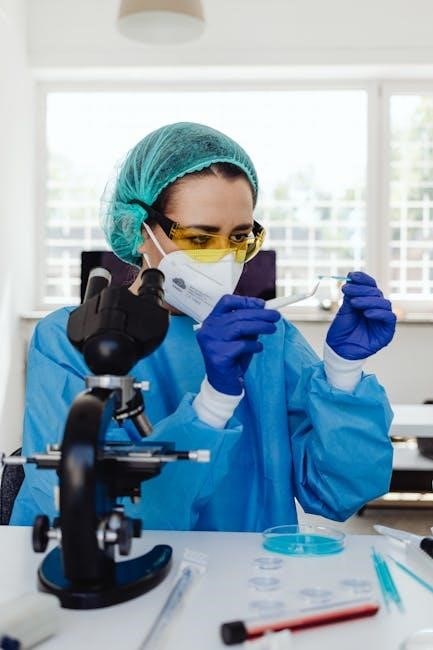
Understanding Osmosis in Relation to Diffusion
The Lakers’ roster changes reflect shifts in player distribution, analogous to osmosis – water moving to balance solute concentrations across a semi-permeable membrane.
Osmotic Pressure and Membrane Permeability
Considering the Lakers’ dynamic team composition, osmotic pressure parallels the force needed to prevent water movement across a membrane. Membrane permeability, like player adaptability, dictates how easily substances pass through.
A highly permeable membrane, or a versatile player, allows rapid exchange. Conversely, a less permeable barrier, or a specialized player, restricts passage. The 2025 NBA 2K26 Summer League roster demonstrates varying player skills, mirroring differing membrane properties.
Understanding this interplay is crucial, just as analyzing player roles is vital for the Lakers’ success, and for interpreting diffusion lab results.
Hypotonic, Hypertonic, and Isotonic Solutions
Reflecting the Lakers’ strategic roster adjustments, hypotonic solutions have lower solute concentrations than inside the cell, causing water influx – like adding new players to boost team potential. Hypertonic solutions, conversely, draw water out, potentially weakening the team’s internal balance.
Isotonic solutions maintain equilibrium, mirroring a well-balanced team where no significant water movement occurs. Observing the Lakers’ schedule and standings, like monitoring lab results, reveals these dynamic shifts.
Understanding these solution types is key to interpreting diffusion lab data, just as understanding team dynamics is crucial for predicting game outcomes.
Water Potential and its Role
Similar to the Lakers’ pursuit of championship potential, water potential dictates water movement across membranes. It’s influenced by solute concentration and pressure – analogous to player skill and team strategy. A more negative water potential signifies greater water attraction, driving osmosis.
Analyzing the Lakers’ roster and coaching staff, like assessing solute levels, reveals potential. Water moves from areas of high to low water potential, mirroring how talent flows towards winning teams.
Understanding water potential is vital for interpreting lab results and predicting osmotic pressure changes.
Common Errors and Troubleshooting
Like unexpected Lakers injuries, bag leakage or inaccurate measurements can skew diffusion lab results; contamination also poses a significant challenge to data validity.
Bag Leakage and its Consequences
Similar to a crucial player sidelined, dialysis bag leakage dramatically compromises diffusion experiments. If the membrane isn’t fully sealed, solutes will escape prematurely, leading to falsely elevated concentrations outside the bag and inaccurate diffusion rate calculations. This mimics the Lakers’ performance dip with key injuries.
Consequently, observed color changes (like iodine reacting with starch) won’t accurately reflect diffusion across an intact membrane. Data becomes unreliable, potentially invalidating the entire experiment. Careful bag preparation – ensuring tight knotting or secure tying – is paramount to prevent this common error and obtain meaningful results.
Inaccurate Measurements
Just as precise stats define a Lakers’ game, accurate measurements are vital in diffusion labs. Errors in volume readings – beakers, test tubes, or spectrophotometer readings – directly impact concentration calculations. A slight misjudgment can skew diffusion rate determinations, mirroring off-target shooting percentages.
Consistent use of calibrated equipment and careful observation of meniscus levels are crucial. Failing to account for dilution factors or using incorrect units will also yield flawed data. Precise data collection ensures reliable analysis and valid conclusions regarding membrane permeability.
Contamination Issues
Like a foul disrupting a Lakers’ play, contamination compromises lab results. Introducing foreign substances – even trace amounts – alters solution compositions, skewing diffusion rates. Unclean glassware or improperly sterilized dialysis tubing can introduce interfering molecules, mimicking unexpected player interactions.
Maintaining aseptic technique and using dedicated equipment for each solution is paramount. Cross-contamination can lead to false positives or negatives, invalidating observations of starch, glucose, or iodine reactions. Rigorous cleaning protocols are essential for reliable data.

Answer Key Considerations for Lab Questions
Reflecting the Lakers’ strategic plays, correct answers demonstrate understanding of diffusion principles, relating observations – like color changes – to membrane permeability and molecular movement.
Expected Results and Explanations
Considering the Lakers’ roster changes, students should anticipate glucose diffusing across the membrane, indicated by a positive iodine test outside the bag over time. Starch, due to its larger molecular weight, should exhibit minimal diffusion.
The initial absence of color change inside the bag, followed by a gradual darkening, confirms iodine’s reaction with starch. Explanations must link these observations to selective permeability – smaller molecules pass through, larger ones do not. Accurate data interpretation, mirroring team performance analysis, is crucial for understanding these biological processes.
Interpreting Data Tables
Analyzing the Lakers’ game statistics, students should focus on quantifying diffusion rates from collected data. Tables should clearly display time intervals and corresponding color intensity changes, or spectrophotometer readings, related to starch concentration.
Look for trends: a consistent increase in iodine reaction outside the bag signifies glucose diffusion. Students must correlate these observations with the initial concentration gradient. Proper table interpretation, like assessing player stats, is vital for drawing valid conclusions about membrane permeability and diffusion principles.

Real-World Applications of Membrane Diffusion
Like the Lakers’ roster adjustments, biological systems utilize membrane transport for crucial functions, mirroring dialysis and water purification processes based on diffusion.
Biological Systems: Cell Transport
Cellular life fundamentally relies on the selective permeability of membranes, much like strategic player acquisitions for the Los Angeles Lakers. Diffusion facilitates nutrient uptake and waste removal, mirroring how Dončić’s skills enhance team performance. Oxygen transport in blood, facilitated by hemoglobin, exemplifies diffusion’s vital role. Nerve impulse transmission, dependent on ion gradients across neuronal membranes, showcases diffusion’s speed.
Furthermore, the absorption of nutrients in the small intestine utilizes diffusion, ensuring vital sustenance. These processes, akin to a well-coordinated team, demonstrate diffusion’s essential contribution to maintaining cellular homeostasis and overall organismal health.
Medical Applications: Dialysis
Dialysis, a life-saving medical procedure, directly applies diffusion principles, much like the Lakers’ strategic team adjustments. It mimics kidney function by removing waste products from the blood across a semi-permeable membrane. This process, similar to filtering unwanted elements, restores electrolyte balance and manages fluid volume.
Hemodialysis and peritoneal dialysis both leverage concentration gradients to cleanse the blood. The efficiency of dialysis, like a successful trade, depends on membrane permeability and diffusion rates, ensuring patient well-being and improved quality of life.
Industrial Processes: Water Purification
Water purification utilizes membrane technology, mirroring the Lakers’ roster refinement through strategic trades. Processes like reverse osmosis employ semi-permeable membranes to separate contaminants from water, driven by pressure gradients and diffusion. This ensures safe drinking water, removing salts, bacteria, and viruses effectively.
Similar to analyzing lab results, monitoring membrane performance is crucial. Industrial applications demand robust and efficient filtration, mirroring the precision needed for optimal player performance and team success, ensuring clean water access globally.