West Bend Bread Maker Recipes PDF: A Comprehensive Guide
Discover a wealth of West Bend baking inspiration! Numerous PDF recipe collections, manuals, and online resources offer diverse bread options for your machine.
Explore easy French bread to complex creations, all readily available for download and convenient use with your West Bend bread maker.
Understanding Your West Bend Bread Maker
Familiarize yourself with your West Bend model’s specific features and settings for optimal results. The bread maker utilizes a programmed cycle, including kneading, rising, and baking.
Refer to the included manual or downloadable PDF for detailed instructions on operation and available cycles. Understanding the machine’s capabilities is crucial for adapting recipes and troubleshooting.
Proper ingredient order – liquids first, then dry, with yeast last – is vital for successful bread making. Knowing your machine ensures delicious, homemade loaves!
Locating West Bend Bread Maker Recipe PDFs
Numerous online resources offer free West Bend bread maker recipe PDFs. Websites archive manuals and recipe collections, like those found through online searches and document sharing platforms.
Specifically, the West Bend 41080 model has dedicated PDF resources available for download. Explore online communities and forums dedicated to bread making for shared recipes.
Digital archives often contain comprehensive guides, ensuring a wide variety of baking options are readily accessible for your convenience and enjoyment.
Essential Ingredients for West Bend Bread Making
Successful bread making with your West Bend machine relies on quality ingredients. Recipes commonly call for warm water, sugar, milk, and vegetable oil as foundational elements.
Salt is crucial for flavor and yeast control, while yeast itself—fast-rising or traditional—provides lift. Flour, of course, is central; options range from all-purpose to whole wheat.
Precise measurements, as outlined in PDF recipes, are key to achieving optimal dough consistency and a perfectly baked loaf every time.
Basic White Bread Recipe
Start your West Bend journey with a classic! A basic white bread recipe typically includes 1 cup of warm water, 2 tablespoons of sugar, ¼ cup of milk, and 2 tablespoons of vegetable oil.
Add 1 ½ teaspoons of salt and carefully incorporate the yeast into a well made in the dry ingredients. Select your machine’s basic setting and enjoy freshly baked bread!
PDF recipe guides offer detailed instructions for consistent results.
Ingredient Proportions for Basic White Bread
For a standard loaf, utilize 1 cup (237ml) of warm water, ideally around 110°F (45°C). Combine this with 2 tablespoons of granulated sugar for yeast activation and flavor.
Incorporate ¼ cup (60ml) of milk, adding softness, and 2 tablespoons of vegetable oil for texture. Crucially, use 1 ½ teaspoons of salt to control yeast activity and enhance taste.
PDF guides detail precise measurements for optimal results in your West Bend machine.
Step-by-Step Instructions for Basic White Bread
Begin by adding dry ingredients to the bread maker pan. Create a small indentation in the center, then add the yeast. Next, pour in the warm water, milk, and oil.
Select your desired bread setting – typically “Basic” or “White Bread”. Program the timer if a delayed start is needed. Finally, turn on the machine and allow it to complete the cycle.
PDF resources offer detailed guidance for each step, ensuring perfect loaves.
Whole Wheat Bread Recipes
Explore a variety of whole wheat bread recipes specifically designed for your West Bend bread maker, often found within comprehensive PDF guides. These recipes utilize whole wheat flour, offering a nutritious and flavorful alternative.
PDF documents detail how to adapt existing recipes for whole wheat, ensuring optimal texture and rise. Discover options ranging from 100% whole wheat to blends, enhancing your baking repertoire.
Benefits of Using Whole Wheat Flour
West Bend bread maker recipe PDFs highlight the nutritional advantages of whole wheat flour. It’s richer in fiber, vitamins, and minerals compared to white flour, promoting better digestion and overall health.
Whole wheat imparts a nutty flavor and denser texture to bread. PDF guides often explain how to balance hydration and kneading to achieve a soft loaf, maximizing the benefits of this wholesome ingredient.
Adapting Recipes for Whole Wheat Bread
West Bend bread maker recipe PDFs often detail adjustments for whole wheat flour. Due to its absorption properties, you may need to increase liquid slightly – typically 1-2 tablespoons per cup.
PDF guides recommend reducing the amount of white flour gradually when substituting. Experimentation is key! Some recipes benefit from adding a tablespoon of vital wheat gluten to improve texture and rise, ensuring a delightful loaf.
Sweet Bread Recipes
West Bend bread maker recipe PDFs unlock a world of delightful sweet breads! Discover recipes for cinnamon raisin bread and honey wheat bread, perfect for breakfast or a treat.
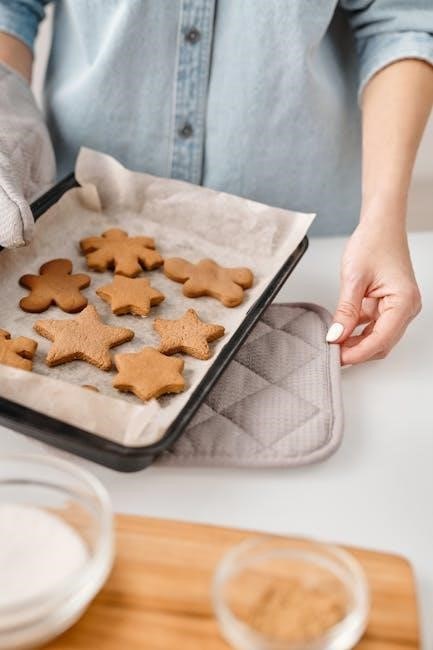
PDF collections often include instructions for adding fruits, nuts, and spices directly into the bread maker. These recipes typically require adjusting sugar levels and may benefit from a slightly longer rise time for optimal flavor and texture.
Cinnamon Raisin Bread Recipe

West Bend bread maker recipe PDFs frequently feature a classic cinnamon raisin bread. These recipes generally call for 1 cup of warm water, 2 tablespoons of sugar, ¼ cup of milk, 2 tablespoons of oil, and 1 ½ teaspoons of salt.
Key ingredients include cinnamon and raisins, often around ¾ cup. PDF instructions detail adding these during the mix cycle for even distribution, resulting in a warmly spiced and fruity loaf.
Honey Wheat Bread Recipe
West Bend bread maker recipe PDFs often include a delightful honey wheat bread variation. These recipes typically utilize 1 cup of warm water, alongside 2 tablespoons of sugar and ¼ cup of milk, providing a subtle sweetness.
Essential components are 2 tablespoons of vegetable oil and 1 ½ teaspoons of salt, complemented by honey – usually around 2 tablespoons – for enhanced flavor and moisture. PDF guides detail ingredient order for optimal results;
Gluten-Free Bread Recipes
West Bend bread maker recipe PDFs increasingly feature gluten-free options, acknowledging dietary needs. However, these recipes present unique challenges, requiring specialized gluten-free flour blends for successful baking.
PDF guides emphasize the importance of selecting appropriate blends, as gluten’s absence impacts dough structure. Resources detail adjustments to liquid ratios and baking times, crucial for achieving a palatable loaf. Expect varied results depending on the blend used.
Challenges of Gluten-Free Baking
West Bend bread maker recipe PDFs highlight that gluten-free baking differs significantly from traditional methods. The absence of gluten, a protein providing elasticity, results in crumbly textures and reduced rise.
PDF guides often note the need for binding agents like xanthan gum or guar gum to mimic gluten’s structure. Achieving a loaf that isn’t dense or dry requires precise measurements and understanding how gluten-free flours behave.
Recommended Gluten-Free Flour Blends
West Bend bread maker recipe PDFs frequently suggest utilizing pre-mixed gluten-free flour blends for consistent results. These blends typically combine rice flour, tapioca starch, and potato starch, offering a balanced texture.
Some resources recommend Bob’s Red Mill Gluten-Free 1-to-1 Baking Flour as a reliable option. Experimenting with different blends is encouraged, as each yields unique characteristics in the final loaf, as noted in various PDF guides.
French Bread Recipes
West Bend bread maker recipe PDFs showcase several French bread variations, often emphasizing achieving a delightfully crispy crust. Many recipes instruct users to utilize the dedicated “French Bread” setting on their machine, optimizing baking time and temperature.
These recipes frequently call for higher hydration levels and may suggest adding a tablespoon of vinegar to enhance crust development. Discover 17 delicious options, including easy French bread, within available online collections.
Achieving a Crispy Crust
West Bend bread maker recipe PDFs highlight techniques for a superior crust. Many suggest incorporating a tablespoon of vinegar into the dough, enhancing gluten development and promoting crispness. Higher hydration levels, as detailed in available recipes, also contribute to a better crust.
Utilizing the French bread setting on your machine is crucial, as it optimizes baking parameters. Experiment with slightly longer bake times, carefully monitoring to avoid burning, for optimal results.
Using the French Bread Setting
West Bend bread maker recipe PDFs consistently recommend the French bread setting for baguettes and crusty loaves. This setting typically features a longer rise time and a higher baking temperature, crucial for developing that signature texture.
Ensure your dough isn’t overly hydrated, as this can lead to a collapsed loaf. Refer to specific recipes for precise ingredient ratios. Experiment with adding a small amount of sugar to enhance browning and crust formation.
Rapid Bake Cycle Recipes
West Bend bread maker recipe PDFs highlight the rapid bake cycle as ideal for quick loaves when time is limited. However, be aware that this cycle often results in a slightly smaller loaf with a less developed flavor.
Utilize it for simpler recipes, avoiding complex doughs. Ensure precise ingredient measurements, as the shorter cycle leaves less room for error. Consider reducing yeast slightly to prevent over-rising during the accelerated process.
When to Use the Rapid Bake Cycle
West Bend bread maker recipe PDFs suggest employing the rapid bake cycle when you need bread quickly, sacrificing some texture and flavor development. It’s perfect for last-minute needs or when a full baking cycle isn’t feasible.
Ideal for basic white bread or simple recipes, avoid using it for whole wheat or doughs requiring extended rising. Remember, the rapid cycle prioritizes speed over optimal results, so adjust expectations accordingly.
Quick Bread Recipe for Rapid Bake
Utilizing a West Bend bread maker recipe PDF, a rapid bake quick bread requires 1 cup warm water, 2 tbsp sugar, ¼ cup milk, 2 tbsp oil, 1 ½ tsp salt, and 3 cups bread flour.
Add ingredients to the pan, indent for yeast (2 tsp), select the “Rapid” cycle, and press start. Expect a loaf in under an hour, though the crust may be paler and the texture slightly less developed than a standard bake.
Dough Cycle Recipes
West Bend bread maker recipe PDFs showcase the dough cycle’s versatility! Perfect for homemade rolls, pizza dough, or even cinnamon buns, this setting handles kneading beautifully.
Simply add ingredients, select the “Dough” cycle, and let the machine work its magic. After the cycle completes, remove the dough for shaping and a final bake in a conventional oven, achieving artisan-quality results with ease.
Using the Dough Cycle for Rolls and Pizza
West Bend bread maker recipe PDFs demonstrate how the dough cycle excels at creating perfect bases for rolls and pizza. Utilize the cycle for consistent kneading, developing gluten for a chewy texture.
After completion, divide the dough, shape into rolls or a pizza crust, and bake! Many PDFs offer specific roll and pizza dough recipes tailored for optimal results within your machine.
Tips for Perfect Dough Consistency
West Bend bread maker recipe PDFs emphasize the importance of accurate measurements for ideal dough. Pay close attention to liquid ratios, as slight adjustments can dramatically impact consistency.
Observe the dough during the kneading process; it should form a smooth, elastic ball. If too sticky, add flour gradually; if too dry, add water, one teaspoon at a time, as detailed in available resources.
Troubleshooting Common Bread Maker Issues
West Bend bread maker recipe PDFs often include troubleshooting guides. Dense bread frequently results from insufficient yeast or improper activation – ensure freshness and correct temperature.
Collapsing loaves can stem from excess liquid or over-rising; carefully measure ingredients and avoid overfilling the bread maker. Consult the PDF manuals for specific error codes and solutions related to your model.
Why is My Bread Dense?
West Bend bread maker recipe PDFs pinpoint several causes for dense bread. Insufficient yeast is a primary culprit; check expiration dates and ensure proper activation in warm water.
Incorrect ingredient measurements, particularly flour, can also lead to density. PDF guides emphasize precise measuring. Finally, inadequate kneading or a too-low liquid ratio contribute to a heavy texture – review your recipe carefully!
Why is My Bread Collapsing?
West Bend bread maker recipe PDFs often address collapsing loaves. Excessive yeast is a frequent cause, leading to over-proofing and a weak structure. Too much liquid can also contribute, resulting in a dough unable to support itself during baking.
Additionally, opening the lid during baking or a sudden temperature change can cause collapse. Refer to your recipe PDF for precise ingredient ratios and baking instructions.
Yeast Selection and Usage
West Bend bread maker recipe PDFs emphasize proper yeast handling. Generally, active dry yeast, bread machine yeast, or instant yeast are suitable. Avoid using expired yeast, as it lacks rising power. Always check the expiration date!
Recipe PDFs instruct to add yeast to a well in dry ingredients, avoiding direct contact with liquids initially. Using the correct amount, as specified, prevents over-rising or insufficient lift.
Types of Yeast Suitable for Bread Makers
West Bend bread maker recipe PDFs commonly recommend active dry yeast, bread machine yeast, and instant yeast. Bread machine yeast is specifically formulated for quicker activation and consistent results within the machine’s cycle.
Instant yeast can often be added directly to dry ingredients, while active dry yeast typically requires proofing in warm water first. Fast-rising yeast is also usable, but requires careful monitoring to avoid over-proofing.
Proper Yeast Activation Techniques
West Bend bread maker recipes often detail proper yeast activation. For active dry yeast, dissolve it in warm water (110°F/45°C) with a teaspoon of sugar; allow standing for 5-10 minutes until foamy.
Instant yeast generally doesn’t require proofing and can be added directly with dry ingredients. Avoid using water that’s too hot, as it can kill the yeast. Always check the recipe PDF for specific instructions regarding your chosen yeast type.
Understanding Bread Maker Settings
West Bend bread maker recipes rely on correct setting selection. PDF manuals detail options like “Basic,” “Whole Wheat,” “French,” and “Rapid.” Understanding crust color settings (light, medium, dark) is crucial for desired results.
Loaf size options (1lb, 1.5lb, 2lb) impact ingredient proportions. Refer to your recipe PDF and machine’s manual to ensure proper settings for optimal bread texture and bake quality.
Crust Color Settings
West Bend bread maker recipes often allow for crust color customization. Typically, you’ll find options for light, medium, and dark crusts. These settings control baking time and heat intensity.
PDF recipe guides may suggest a specific crust color. A lighter crust yields a softer bread, while a darker crust provides a crispier exterior. Experiment to find your preference, consulting your machine’s manual for detailed explanations of each setting.
Loaf Size Options
West Bend bread maker recipes frequently accommodate different loaf sizes – typically 1.5lb, 2lb, and sometimes larger. PDF recipe resources will specify the appropriate loaf size setting for optimal results.
Selecting the correct size ensures proper ingredient proportions and baking times. Using the wrong setting can lead to underbaked or overbaked bread. Always double-check the recipe and your machine’s manual before starting the baking process.
Recipe Scaling and Adjustments
West Bend bread maker recipes can often be scaled, but careful adjustments are crucial. PDF guides emphasize proportionally increasing all ingredients when enlarging a recipe, maintaining the original ratios.

Altitude adjustments may also be necessary; higher elevations often require reduced yeast and increased liquid. Consult recipe resources for specific guidance. Minor tweaks can significantly impact texture and rise, so precise measurements are key for consistent results.
Increasing or Decreasing Recipe Quantities
West Bend bread maker recipe PDFs often caution against drastic quantity changes. When scaling, maintain original ingredient proportions. For example, doubling a recipe requires doubling every ingredient – water, flour, yeast, and salt.
Decreasing quantities requires similar proportional reductions. Avoid exceeding your bread maker’s maximum capacity, as overfilling can lead to overflow and uneven baking. Precise measurements are vital for successful scaling.
Adjusting for Altitude
West Bend bread maker recipe PDFs rarely detail altitude adjustments, but higher elevations require modifications. Reduced air pressure causes dough to rise faster; therefore, decrease yeast by 1/4 teaspoon for every 1,000 feet above sea level.
Simultaneously, increase liquid by 1-2 tablespoons per 1,000 feet to counteract faster evaporation. Monitor dough consistency closely, as altitude impacts can vary. Experimentation is key to perfect results!

Cleaning and Maintenance
West Bend bread maker recipe PDFs emphasize proper cleaning for longevity. Always unplug the machine before cleaning! Remove the kneading paddle and baking pan; wash them with warm, soapy water. Avoid abrasive cleaners which can damage the non-stick coating.
Wipe the exterior with a damp cloth. Regularly inspect the heating element for crumbs. Consistent cleaning prevents buildup and ensures optimal performance for all your West Bend recipes.
Proper Cleaning Procedures
West Bend bread maker recipe PDFs consistently advise unplugging the appliance before any cleaning. Remove the baking pan and kneading paddle. Wash these components in warm, soapy water, avoiding harsh abrasives that could scratch the non-stick surface.
Wipe the machine’s exterior with a damp cloth. Ensure no water enters the electrical components. Thorough drying is crucial before reassembly and use, maintaining peak performance for all your baking endeavors.
Extending the Life of Your Bread Maker
West Bend bread maker recipe PDFs emphasize regular cleaning as key to longevity. Avoid using metal utensils that can damage the non-stick coating of the baking pan. Store your bread maker in a cool, dry place when not in use, protecting it from dust and moisture.
Following recipe instructions carefully prevents strain on the motor, ensuring years of delicious homemade bread. Proper care guarantees consistent results!
Where to Find More West Bend Recipes Online
West Bend bread maker recipe PDFs are a starting point, but online communities offer vast resources! Explore websites dedicated to bread machine baking, often featuring user-submitted West Bend-specific recipes. Online forums and social media groups provide a platform for sharing tips and troubleshooting.
Many blogs also curate collections of recipes tailored for various bread maker models, expanding your baking possibilities.
Converting Traditional Recipes for Bread Maker Use
Adapting conventional recipes requires careful adjustments for your West Bend machine. Begin by reducing liquid quantities, as bread makers retain less moisture. Kneading times also differ; a shorter cycle is usually sufficient due to the machine’s efficient mixing.
Monitor dough consistency closely – it should be slightly stickier than hand-kneaded dough. Experimentation is key to achieving optimal results when converting your favorite recipes!
Adjusting Liquid Ratios
When converting recipes, reduce liquids by approximately 1-2 tablespoons initially. Bread makers create a more humid environment during mixing, lessening evaporation. Observe the dough; it should form a cohesive ball, slightly tacky but not overly wet.
Gradually add liquid, one teaspoon at a time, if the dough appears too dry. Accurate liquid ratios are crucial for proper gluten development and loaf texture.
Adapting Kneading Times
Traditional recipes often specify kneading by hand; bread makers automate this process. Reduce kneading time significantly when adapting recipes, as the machine provides consistent, powerful mixing. Start with the bread maker’s default kneading setting for the chosen cycle.
Monitor dough development; over-kneading can lead to tough bread. Adjust kneading time in subsequent batches based on dough texture and loaf results.