Overview of Resistance Band Workouts for Beginners
Beginner resistance band workouts PDFs offer structured, low‑impact routines that build strength and flexibility. They include clear instructions, rep ranges, and safety tips, ensuring proper form and gradual progression. Downloadable guides help users track progress and stay motivated. and consistency!

1.1 What Are Resistance Bands?

Resistance bands are elastic loops or tubes made from natural or synthetic rubber that provide adjustable tension for exercise. They come in light, medium, heavy, and extra‑heavy levels, letting users tailor workouts to their strength; Bands can be anchored to a door, floor, or held freehand, enabling movements like squats, rows, presses, and glute bridges. Portable, inexpensive, and versatile, they are ideal for beginners seeking low‑impact, joint‑friendly strength and mobility gains. A beginner PDF includes step‑by‑step instructions, diagrams, recommended sets, reps, and safety tips, helping users learn proper form, avoid momentum, and track progress.
Bands come in loop, tube with handles, and flat styles. Loop bands target glutes and core; tube bands are versatile for pulling and pushing; flat bands suit rehab. Beginners often start with light or medium bands to avoid overexertion.
Before each session, inspect bands for cuts or frays, as damaged bands can snap. Anchor points must be secure; a door anchor should be closed and locked. Keep tension throughout the movement and avoid slack.

A beginner PDF outlines progression: after 4 weeks, increase resistance or add reps. Consistent warm‑ups, cool‑downs, and controlled breathing reduce injury risk and improve overall fitness daily.
Resistance bands fit into circuit training, HIIT, or strength‑endurance routines, offering a full‑body stimulus with minimal equipment. Their lightweight nature lets you carry them anywhere, keeping workouts regular and effective.
1.2 Benefits for Newcomers
Beginner resistance band workouts PDFs highlight key advantages that attract newcomers. First, they are inexpensive and portable, allowing users to train at home, in parks, or while traveling. Second, bands provide adjustable tension, so beginners can start with light resistance and gradually increase intensity without buying new equipment. Third, the low‑impact nature of band exercises reduces joint stress, making them suitable for people with arthritis, post‑injury recovery, or those simply looking to avoid heavy free‑weights.
Fourth, a structured PDF includes clear diagrams, rep ranges, and safety cues, which help users master proper form and avoid momentum‑driven movements that can lead to injury. Fifth, the versatility of bands—enabling squats, rows, presses, glutes, and core work—means a full‑body routine can be built from a single piece of equipment. Sixth, the elastic resistance trains both concentric and eccentric phases, improving muscle control and joint stability.
Seventh, beginners benefit from the built‑in progression model in PDFs: after a 4‑week period, the guide recommends increasing band resistance or adding sets, ensuring continuous adaptation. Eighth, the visual layout of PDFs supports habit formation: users can check off completed sets, track progress, and stay motivated over time. Ninth, because bands are quiet and space‑saving, they encourage regular workouts even in small apartments or shared spaces.
Tenth, bands stimulate proprioception, enhancing body awareness and coordination, valuable for movements. Eleventh, the low cost of replacing a worn band keeps long‑term training affordable. Thirteenth, because bands can be used for strength work, beginners can integrate mobility drills, improving fitness.
Sixteenth, bands are easy to clean and maintain. Go!

Key Components of a Beginner PDF Workout Program
A beginner PDF workout program centers on clear structure, progressive overload, balanced muscle focus, and safety cues; It lists warm‑ups, 3‑set circuits, rest intervals, and cooldown stretches. Visual diagrams aid form, while printable checklists track weekly progress. Consistent progression ensures gains!!!!
2.1 Structure of a 4-Week Program
Week 1: Foundation. Begin with 3‑minute dynamic warm‑up, then perform 2 sets of 12 reps for each major movement (squat, row, press). Emphasize slow, controlled motion and full range of motion. Rest 60 s between sets. Focus on mastering technique and breathing.
Week 2: Volume. Increase to 3 sets of 15 reps. Add a light resistance band for glute bridges and lateral raises. Keep rest intervals at 45 s. Introduce a short 5‑minute cool‑down stretch.
Week 3: Intensity. Add a second, slightly thicker band to all exercises. Perform 3 sets of 12 reps, but shorten rest to 30 s. Incorporate a 2‑minute core circuit (plank, side plank, dead bug) after the main lifts.
Week 4: Peak. Use the thickest band available. Do 4 sets of 10 reps for each lift, with 20 s rest. Finish with a 10‑minute full‑body stretch and mobility routine. Log progress and note any pain or fatigue to adjust future sessions.
Equipment selection is key: start with a light‑tension band and progress to medium and heavy bands as strength improves. Anchor the band securely to a door or sturdy post, ensuring no slipping. Each exercise should be performed with a 2‑second eccentric phase and a 1‑second concentric phase. Rest 30‑45 seconds between sets, and 60‑90 seconds between muscle groups. Monitor heart rate to stay within 120‑140 bpm for cardio benefit. Keep a training log to track reps, sets, and perceived exertion. Adjust the band’s thickness or add an extra loop to increase resistance when the prescribed reps become.
2.2 Sample 12-Week Guide Highlights
Week 1–4: Foundation and technique focus. Each session starts with a 3‑minute warm‑up, followed by 2–3 sets of 12–15 reps on core lifts (squat, row, press). Light‑tension bands are used, and emphasis is on slow, controlled movement and proper breathing. Rest intervals are 60 s. A brief 5‑minute stretch concludes each workout.
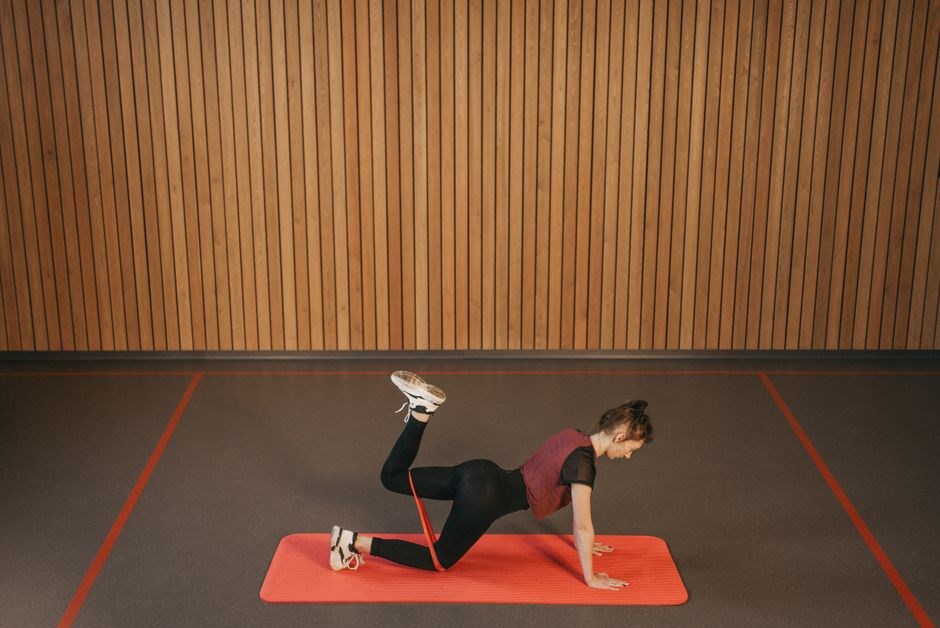
Week 5–8: Progressive overload. Bands are increased to medium resistance. Sets rise to 3, reps to 12–15, and rest drops to 45 s. Additional accessory moves (glute bridge, lateral raise, biceps curl) are added. A 2‑minute core circuit follows the main lifts. Stretching is extended to 7 minutes.
Week 9–12: Peak strength and endurance. The thickest band is employed. Sessions include 4 sets of 10–12 reps, 30 s rest, and a 3‑minute core routine. Cardio intervals (jumping jacks, high knees) are inserted between sets. A full 10‑minute cooldown with mobility drills caps each session. Progress is tracked via a log, noting reps, perceived exertion, and any discomfort.
Key highlights: clear weekly progression, balanced muscle groups, controlled tempo, breathing cues, rest guidelines, and a structured log. The PDF format allows easy download, printing, and on‑the‑go reference. Users can adapt band thickness or add loops for increased resistance as they advance.
This PDF now offers printable charts, a weekly goal tracker, and motivational quotes to keep you engaged. Adjust the band tension as you progress for good results.

Essential Safety and Technique Tips
Use proper form, avoid momentum, and work both sides equally. Keep movements slow and controlled, breathing steadily. Rest between sets, stop if pain occurs, and stretch afterward. Follow these safety tips for effective, injury‑free resistance band workouts. Secure the band to a stable anchor and check for wear before use. replace it!!!
3.1 Proper Form and Avoiding Momentum
When starting a beginner resistance band routine, focus on controlled, deliberate movements. Anchor the band securely to a stable door or post, ensuring it is taut but not overstretched. Begin each exercise by engaging core muscles, maintaining a neutral spine, and keeping shoulders back and down; This posture reduces strain on the neck and upper back.
Use a slow eccentric phase (the lowering part) and a slightly faster concentric phase (the lifting part) to maximize muscle engagement while preventing jerk. Avoid using body swing or momentum; instead, rely on muscle strength to move the band.
Breathe consistently: inhale during the eccentric phase, exhale during the concentric phase. This rhythm supports stability and oxygen delivery.
If the band feels too loose, tighten it or switch to a thicker band. If it feels too tight, use a lighter resistance.
Always perform equal reps on both sides of the body to promote symmetry and prevent imbalances.
After each set, pause for 30–60 seconds to allow muscle recovery, then resume.
If pain arises, stop immediately and reassess form or band tension.
Incorporate a brief warm‑up before starting and a cool‑down stretch afterward to improve flexibility and reduce injury risk.
Consistent practice with correct form builds confidence and progress over time.
Additionally, monitor band integrity; inspect for cuts, frays, or discoloration before each session. Replace any compromised band to avoid sudden breakage. Use a band sleeve or wrap to protect the band from sharp objects and to reduce friction.
When performing compound movements, keep the joint angles within a safe range—avoid hyperextension or excessive flexion. For example, during a banded squat, keep knees aligned over toes and avoid letting them collapse inward.
Incorporate progressive overload by adding reps, sets, or using a thicker band as strength improves. However, never sacrifice form for higher resistance; the goal is gradual, sustainable gains.
Track your workouts in a log or PDF sheet, noting band type, resistance level, sets, reps, and perceived effort. This data helps adjust intensity and ensures balanced development across muscle groups. Stay consistent!!
3.2 Breathing and Rest Guidelines
Proper breathing during resistance band workouts is essential for maximizing oxygen delivery and maintaining core stability. Inhale during the eccentric (lowering) phase and exhale during the concentric (lifting) phase. Avoid holding your breath, which can increase intra‑abdominal pressure and lead to dizziness. Consistent breathing also helps you stay relaxed and focused on form.
Rest intervals between sets should be tailored to your fitness level. Beginners typically benefit from 30–60 seconds of rest after each set, allowing heart rate to return to near‑baseline while still keeping the muscles warm. If you’re performing high‑volume or compound movements, extend rest to 90 seconds to ensure full recovery. Shorter rests (15–30 seconds) can be incorporated for conditioning or when targeting muscular endurance.
During rest periods, perform light mobility work or gentle stretching to keep joints lubricated. Avoid static holds that may cause stiffness. Keep the band loose or remove it entirely to prevent unnecessary tension. After completing the workout, spend 5–10 minutes cooling down with gentle stretches targeting the worked muscle groups. This helps reduce muscle soreness and promotes flexibility.
Tracking rest times and breathing patterns in a workout log or PDF sheet can reveal patterns that affect performance. If you notice increased fatigue or shallow breathing, consider extending rest or reducing volume. Consistency in breathing and rest practices builds a solid foundation for progressive overload and long‑term success.
Remember, consistency beats intensity. Aim for 3–4 sessions per week, gradually increasing resistance as you master each movement. Celebrate small wins!!

Sample Workout Routines Available in PDFs
Downloadable PDFs feature 40‑minute routines from Extension Wellness and a 4‑week plan from thefitnessphantom.com. Each PDF lists exercises, sets, reps, and rest times, making it easy to follow structured beginner programs at home. Print for sharing us

4.1 40-Minute Routine PDF from Extension Wellness
The Extension Wellness 40‑minute band routine is a beginner‑friendly, full‑body program that fits a tight schedule. The downloadable PDF is organized into a 5‑minute warm‑up, three exercise blocks, and a 5‑minute cool‑down, all performed with a single medium‑resistance loop band. Block A targets the upper body with band‑resisted rows, chest presses, shoulder rotations, and triceps extensions; Block B works the lower body through glute bridges, banded squats, lateral walks, and hamstring curls; Block C strengthens the core with banded dead bugs, seated twists, side bends, and bird‑dog variations. The PDF recommends 12 reps, 3 sets, and 30‑second rests. Band tension is adjusted by shortening the loop or using a thicker band. Instructions include step‑by‑step directions, safety cues, and diagrams to ensure proper form. The routine stresses controlled movements, steady breathing, and a neutral spine. Modifications are offered for beginners, such as a shorter band or seated exercises, while advanced users can add a second band for overload. The PDF also provides a printable schedule, progress tracker, and tips for weekly integration. Users can download the PDF from the Extension Wellness site, print it, and keep it in a binder or on a phone for quick reference. This resource gives beginners a structured, efficient workout that builds strength, improves joint stability, and enhances endurance without heavy equipment. The PDF also includes a sheet summarizing key points, log, and a FAQ section for beginners. Users can customize the routine by swapping exercises or adjusting resistance to match their fitness level. The guide encourages consistency, recommending at least three sessions per week for optimal results.!!!
4.2 4-Week Training Program PDF from thefitnessphantom.com
The 4‑week resistance‑band training program from thefitnessphantom.com is a concise, downloadable PDF for beginners aiming to build strength, mass, and balance with a single loop band. The guide splits into four progressive phases, each lasting one week. Phase 1 focuses on mastering basic movements—banded squats, standing rows, chest presses, and glute bridges—using 2–3 sets of 12–15 reps at a moderate tempo. Phase 2 adds unilateral work and core stability with single‑leg deadlifts, banded hip abductions, and plank‑with‑band‑row, increasing intensity to 3 sets of 10–12 reps. Phase 3 ramps resistance by shortening the band or adding a second loop, incorporating plyometric moves like jump squats and band‑resisted lateral hops, with 4 sets of 8–10 reps. Phase 4 consolidates gains with a full‑body circuit blending strength, endurance, and balance: 3 rounds of 12 reps per movement and a 60‑second rest between rounds. The PDF contains clear illustrations, safety reminders, and a weekly log to track progress. Modifications for limited space or higher difficulty—such as seated rows or elevated band presses—are also provided. Users can download the PDF directly, print it, and follow the schedule at home, making it a practical tool for beginners seeking measurable results without gym equipment.
Perform the routine three times per week, resting one day between sessions daily. Use slow, controlled movements, keeping tension on the band and avoiding momentum. Rest 30–60 s between sets, breathing—inhale on the eccentric, exhale on the concentric. If pain occurs, stop and reassess form or reduce resistance. The PDF recommends a 5‑minute warm‑up and a cool‑down stretch.
- Progressive overload: Each week increases either resistance or volume.
- Balanced routine: Upper, lower, core, and balance exercises are evenly distributed.
- Time‑efficient: Sessions fit into 30–45 minutes.
- Adaptable: Modifications for all skill levels are included.
- Tracking: Printable log sheet helps monitor sets, reps, and effort.
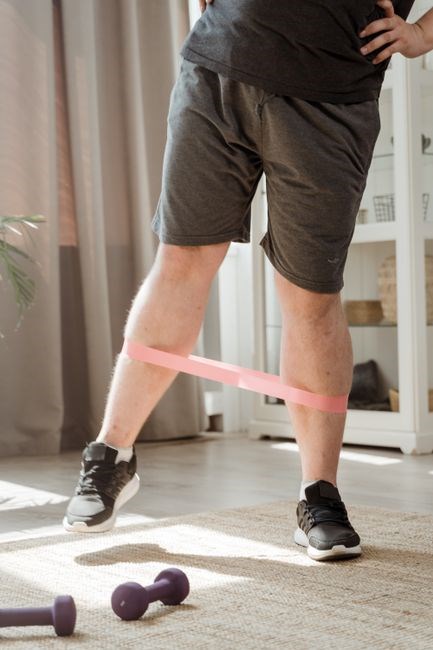
How to Access and Utilize These PDFs
Access PDFs by visiting thefitnessphantom.com or Extension Wellness sites, click the download link, and save the file. Open with a PDF viewer, print or bookmark it. Follow the suggested schedule, adjust reps or resistance, and log progress to stay on track. Print it for quick reference during workouts.
5.1 Downloading from Online Resources
To obtain a beginner resistance band workout PDF, begin by navigating to reputable fitness portals that host free or paid plans. A popular source is thefitnessphantom.com, where a 4‑week training program PDF is available for download now. Click the “Download PDF” button, then confirm the file location on your device. The file size typically ranges from 300 KB to 1 MB, ensuring quick transfer even on mobile networks. Another reliable option is Extension Wellness, which offers a 40‑minute routine PDF linked through the Montana State University site. Locate the “Free PDF” button, tap or click, and the browser will prompt you to save or open the document. For those who prefer a text‑based format, the same site provides a .txt version; simply open it in a plain‑text editor and copy the exercises into a personal notebook. Some platforms require an email address to unlock the download; in that case, enter a valid address, check your inbox, and click the confirmation link. Once the PDF is saved, use a PDF reader such as Adobe Acrobat, Foxit, or the built‑in viewer on iOS/Android to preview the layout. If you plan to print, ensure the page scale is set to 100 % to avoid cropping. Finally, keep the original file in a dedicated folder for easy reference, and back it up to cloud storage to prevent accidental loss. This systematic approach guarantees that you always have the most up‑to‑date beginner resistance band workout guide at hand. Download links are accompanied by brief descriptions of exercise difficulty and recommended band resistance levels to help you choose today.
5.2 Customizing for Individual Needs
Beginner resistance band workouts PDFs are versatile tools that can be tailored to match a person’s fitness level, goals, and any physical constraints. Start by reviewing the program’s suggested band colors—light, medium, and heavy—then pick the color that feels challenging yet manageable for each exercise. If a movement feels too easy, add a second band or increase the number of repetitions; if it’s too hard, switch to a lighter band or reduce the set count. Many PDFs include a “Progression Tracker” section; use it to log daily effort and adjust intensity accordingly. For joint‑sensitive users, incorporate “low‑impact” variations such as seated rows or wall‑supported squats, and always keep the band tension steady to avoid sudden jerks. When a PDF lists a 12‑week plan, create a “mini‑cycle” of four weeks and repeat it, allowing the body to adapt gradually. If your goal is hypertrophy, focus on slow eccentric phases (three seconds down, one second up) and add a pause at the peak contraction. For strength endurance, aim for higher reps (15–20) with minimal rest. If you have a specific injury, consult a physiotherapist to replace problematic exercises with alternatives that target the same muscle groups; Finally, use the “Notes” column in the PDF to record any discomfort or progress, and consider sharing the customized version with a trainer for feedback. This iterative approach ensures the workout remains safe, effective, and aligned with personal objectives. Keep the PDF handy for quick reference during workouts. and consistent